Pages

Showing posts with label Roche. Show all posts

Saturday, April 29, 2023

Roche Impresses with Effective RNA Editing of Polyglutamine Repeat mRNA

Roche has shown interest in RNA Editing through its 2021 partnership with Shape Therapeutics.  The goal of this partnership was to use Shape’s AAV-delivered, DNA-directed RNA editing nucleic acids for neuroscience and rare disease applications.

Readers of this blog will know that I have not been a great fan of DNA-directed approaches to ADAR editing, not least because the expressed editing RNAs are unmodified.  This means that they do not benefit from chemistry to optimize efficacy.  In terms of specificity, the simple, but very effective strategy of modifying the base opposite non-target adenosines (e.g. 2’-O-methyl) to abolish off-target editing is not available to DNA-directed RNA editing.  

To compensate the efficacy disadvantage, the concomitant gene therapy-directed overexpression of ADAR enzymes has been attempted.  Unfortunately, this is a no-go since it causes extensive genome-wide off-targeting.  

It therefore comes as no surprise that Roche has also been evaluating synthetic editing oligonucleotides as revealed earlier this month in patent publication WO2023/052317A1.  This patent application addresses CAG/polyglutamine repeat expansion diseases such as Huntington’s disease, but also other neurodegenerative polyGln diseases including a number of the spinal cerebellar ataxias.  Since the number of polyGln repeats critically determines whether a person will manifest the disease and is correlated with protein aggregation, disrupting stretches of CAG-encoded uncharged glutamines with even a few positively charged, CGG-encoded arginines may stop the pathogenic process and is thus a highly attractive therapeutic hypothesis.

Beyond CAG triplett expansion diseases, similar logic may apply to diseases caused by repeat expansions in non-coding regions- as long as the repeat contains an ‘A’ such as in Friedreich’s ataxia (frataxin GAA repeat in intron 1).  Regardless of the specific disease-causing mechanism, disrupting the repeat is likely to be beneficial.  

While attractive in theory, I had been wondering how easy it actually would be to target these repeats by ADAR editing as the target sequence is quite unusual in its repetitiveness which may result in impenetrable higher-order structures.  The use of repetitive oligonucleotides as therapeutic agents is also unusual because of potential structural and manufacturing issues.  Finally, once one of the target adenosines has been converted to an inosine, the target mRNA sequence is altered (=mismatch) and consequently may become a weaker target site.

On the other hand, long repeats may turn out to be excellent targets in that they provide for a high local concentration of target sequence.

Actual data

Unfortunately, conducting casual molecular biology experiments in the basement of private homes is frowned upon in Germany and fraught with legal risks (this has to change), so it’s nice that Roche has actually conducted initial tissue culture experiments to find out about the practicality of the approach. 

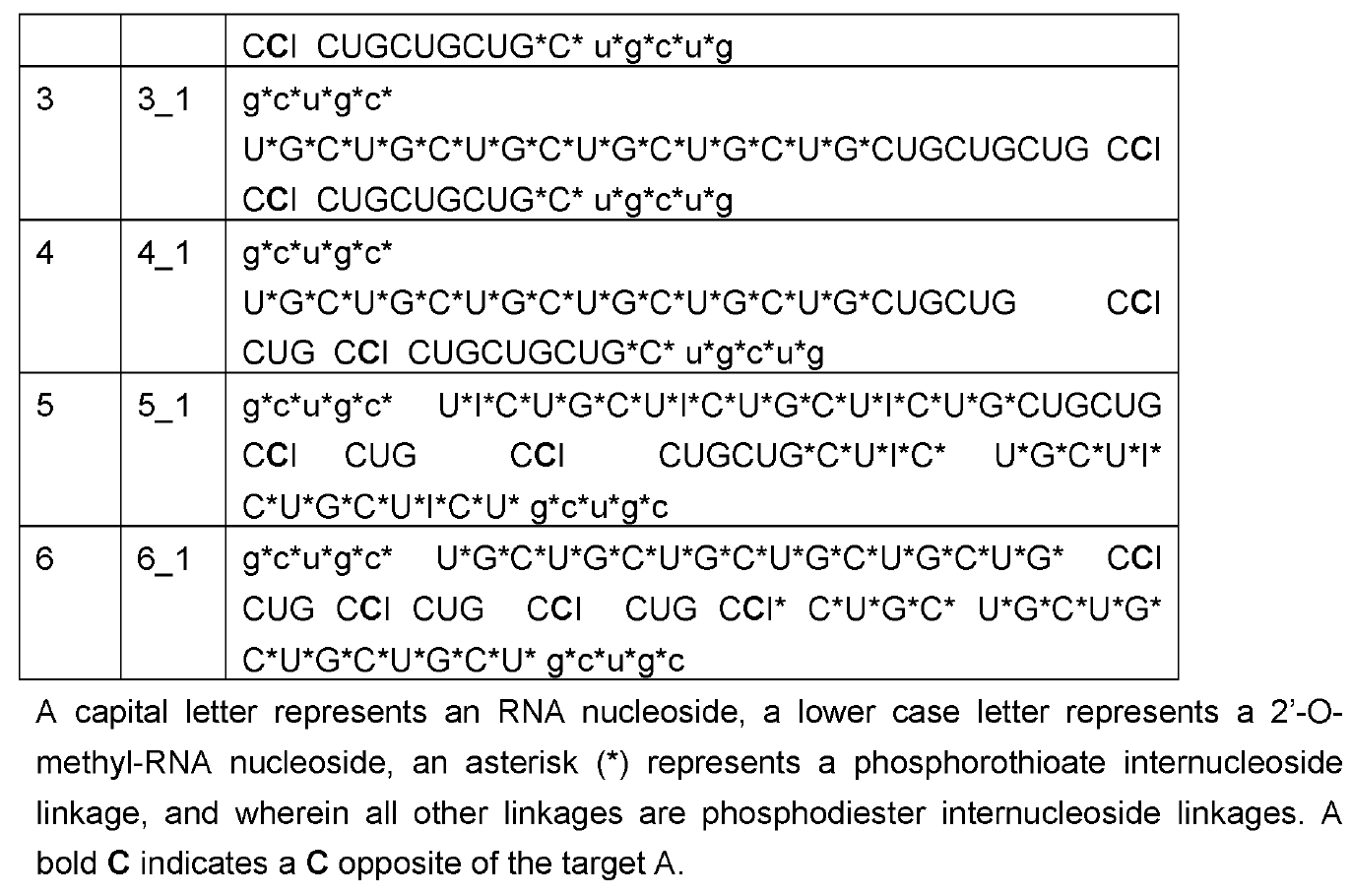
Employing ~50-60nt long CUG repeats (the complement of CAG), their editing oligonucleotides were above the typical length of ~30nt as now generally practiced by the leading RNA Editing companies ProQR and Wave Life Sciences.  These were transfected into HeLa cells expressing ATXN3 mRNA with 21-22 repeat CAGs all in the apparent absence of ADAR overexpression.  

The oligonucleotides were modified with 2’-o-methyl only in the 5 nucleotides on the 5’ and 3’ ends each; phosphorothioation of the backbone was also practiced at the wings of the oligos, but extended further into the center than the 2'-o-methyls.  The central part consisted of pure RNA. 
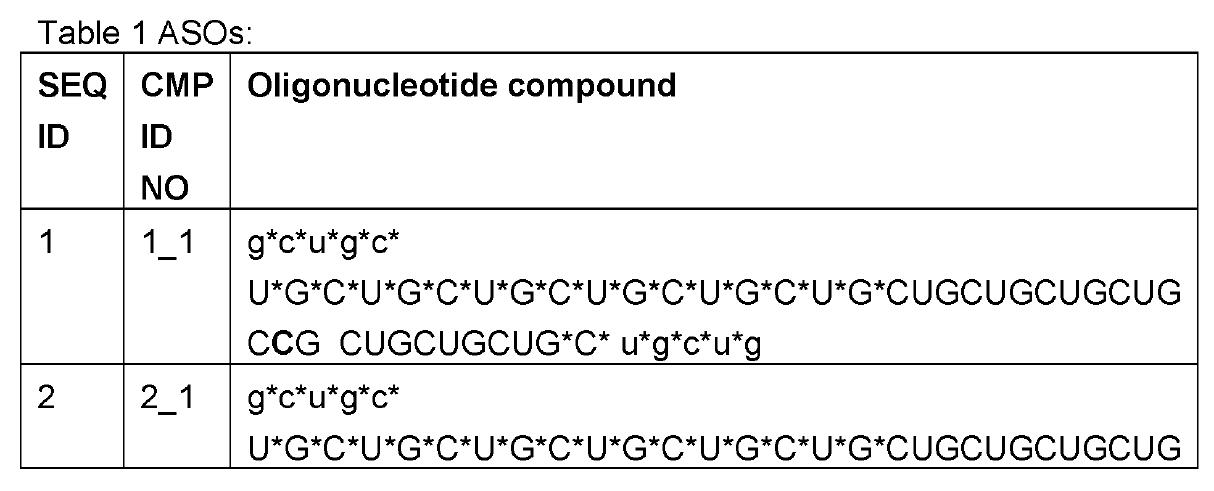


An orphan C was placed towards the 3’ end of the targeting oligo.  This creates a mismatch to the target A as is commonly practiced in the field.  Interestingly, an inosine follows 3’ of the orphan C and this is also practiced by some other companies as e.g. evidenced in last year’s high-profile paper on long-lived and potent ADAR editing in non-human primates by Wave Life Sciences in Nature Biotech.

Remarkably, robust 20-50% AàI conversions were seen for many As in the ATXN3 CAG repeat with more pronounced editing towards the 5’ end of the repeat region consistent with the 3’ placement of the orphan C in the targeting oligonucleotide.  Moreover, less than 2% of the ATXN3 mRNAs was unmodified for each editing oligo.  If you consider that a huntingtin allele with say 33 CAG repeats does not result in Huntington’s disease, but one with 37 repeats typically does, you can imagine the impact that just a single or two successful editing events should have on pathogenicity of the resulting protein.
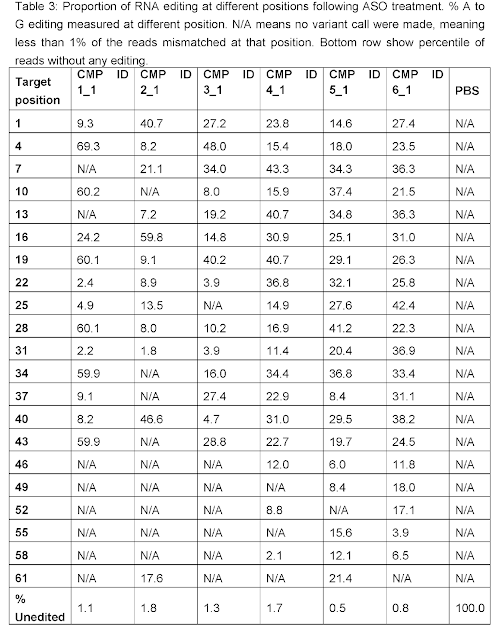

This experiment thus is an important de-risking step for RNA Editing in repeat expansion diseases and should whet the appetite of Roche which is already heavily invested in oligonucleotide therapeutics for Huntington’s through its collaboration with Ionis Pharmaceuticals (RNaseH mechanism), including research on improving the convenience and efficacy of intrathecal oligo administration.

As an investor in ProQR I was, of course, pleased to see that when discussing the prior art of ADAR editing in general, all 5 patent applications cited by Roche referred to ones controlled by ProQR. 

Looking forward to the next chapter in this story.

Thursday, December 15, 2022

GSK Partners with Wave Life Sciences for Access to RNA Editing

This week, we have seen further confirmation of the increasingly recognized value within the pharmaceutical industry of Oligonucleotide Therapeutics in general, and RNA Editing in particular.

In a landmark deal, GSK obtained an exclusive license from Wave Life Sciences to the RNA Editing industry’s lead, albeit still preclinical WVE-006 development candidate for the treatment of alpha-1-antitrypsin disease.  In addition, GSK has the right to evaluate Wave’s oligonucleotide platform (editing, splice modulation, and RNAi/ASO silencing modalities) to then advance up to 8 programs into development.

In return, Wave will receive $120M in upfront cash, another $50M in an equity investment, and the potential to earn up to $3.3B in development and commercial milestones in addition to royalties on drug sales.  Because of its more advanced stage in development, WVE-006 stands to earn relatively more in milestones ($525M) and royalties (tiered double-digit, up to the high teens).

While I view Wave doing this deal largely to feed its voracious appetite for cash to feed what I consider to be less exciting clinical work in Huntington’s (ASO knockdown) and Duchenne muscular dystrophy (exon skipping), GSK will bring its genetics-based target insights to the collaboration table so that Wave could advance up to 3 related programs that it would wholly own.

Seeing the AATD program go to GSK was a disappointment to me at first.  Ultimately, I thought that this program would end up shouldering the weight of Wave’s market cap as the company’s lead program once the current clinical pipeline will meet its expected fate.  However, during the discussion of the deal the company’s CEO Paul Bolno made it clear that not only is GSK much better suited to advance ‘006 especially with regards to its lung-related endpoints, it is RNA Editing and gene upregulation that Wave considers the most valuable elements of its PRISM oligonucleotide platform and that it wants to maintain control over.

Gene upregulation can be achieved by either masking destabilizing sequences in an (m)RNA by antisense oligonucleotide, or by using RNA Editing to disrupt those or slightly change the protein to make it more stable.

After the 2021 deals between Shape Therapeutics andRoche (neuroscience, DNA-directed RNA Editing) and ProQR and Eli Lilly, this marks the third such Big Pharma deal in the ADAR sector.  It is reminiscent of the 2004-5 phase when Big Pharma started to take note of RNAi through a few measured investments.  

Expect the noise and excitement to grow over 2023 as RNA Editing approaches the clinic.  But unlike RNAi, a lot of delivery work has already been undertaken so that the trajectory of RNA Editing should be smoother from a technology point of view.  Only yesterday, Avidity Biosciences reported on the  expansion of the targetable tissue universe to the muscle and Arrowhead Pharmaceuticals is about to report important data on targeting RNAi to the lung.

Monday, November 14, 2022

Ionis Widens Its Modality Horizons

Over the weekend, blue chip antisense oligonucleotide company Ionis and genome editing competitor Intellia presented data on targeting prekallikrein (PKK) for treating hereditary hemeangioedema (Ionis donidalorsen here, Intellia NTLA-2002 here).

Using CRISPR Cas9 endonucleolytic disruption of the KLKB1 gene coding for PKK following LNP delivery, Intellia came out as the apparent winner in this showdown.  Not only did they demonstrate more pronounced PKK inhibition, but also more consistent elimination of debilitating attacks characteristic of the disease.  Moreover, by exploring less frequent antisense oligonucleotide administrations despite suboptimal low -60% knockdown, Ionis indicates that it is worried about the safety and tolerability profile of donidalorsen. 

Whether reversible approaches like antisense and RNAi or irreversible approaches like CRISPR gene disruption will ultimately prevail in the HAE race remains to be seen and will likely be decided by the safety of suppressing PKK expression over the long-term. If there is an overshoot of CRISPR-mediated gene disruption that would e.g. result in blood clotting abnormalities, even for a subset of patients, the field would be wide open for reversible methods.  

Ionis invests in genome editing

But whether that will be antisense remains to be seen.  Especially for targets in the liver, RNAi currently clearly rules the land for gene knockdown: highly potent, titratable and reversible knockdown with 5 years counting without a notable setback, especially related to off-target toxicity.  By contrast, Ionis is being held back by persistent safety issues as it has been beating a dead horse with its phosphorothioate-based backbone chemistry although it appears to be finally weaning itself off with chemistries such as the Mspa backbone.

So it is probably the hope of leap-frogging the RNAi competition by adopting genome editing as Ionis today announced that it was partnering with CRISPR genome editing company Metagenomi.  The HAE data comparison could not have come at a more opportune time.  

One declared aim of the investment in genome editing is life-cycle management of existing franchises.  In the liver, these franchises (TTR amyloidosis, ApoC3, PCSK9 etc) are currently and in the foreseeable future being dominated by RNAi despite Ionis’ heavy investments, so it clearly makes sense to amortize its investments in disease-specific market research, commercial infrastructure and clinical trial experience to accelerate the success of a more promising approach. 

TTR amyloidosis is a great example where even GalNAc-conjugated follow-on antisense compounds are unlikely to challenge Alnylam’s suite of RNAi triggers.  Also due to this dominance, it makes less sense for Ionis to develop an RNAi competitor drug despite its access and now actual adoption of this modality for targets in the muscle.  But as TTR shows, other genome editing companies are already competing for some of these targets so it won’t be all that simple trying to leap-frog RNAi and Alnylam like that.


The rise of the multi-modality oligonucleotide therapeutics companies

After straight-forward antisense for gene knockdown and then splice modulation, with the recent adoption of RNAi and genome editing, Ionis is rapidly expanding its oligonucleotide modality toolbox.

In fact, it is becoming a little bit like smaller competitor Wave Life Sciences which has been practicing all types of antisense (knockdown, splice modulation, more recently RNA editing) and RNAi using a bewildering mix of chemistries.  Not only are they burning through cash as if there was no recession and inflation problem, I never liked that because clinical failure after failure (esp. minute target engagements at best) suggest that the company is stretching itself too thin.

By comparison, Ionis, with $2 billion in cash and a more experienced and bigger operation is a different beast altogether and may be able to pull it off, at least on a technical level.  However, instead of spending $80M in upfront alone on a modality that is somewhat further removed from its traditional chemistries (longer mRNAs, LNP delivery for CRISPR), it could have much more synergistically leveraged its investments in chemistry and delivery by investing that same amount in the ripe-for-the-picking RNA editing.  Accordingly, $80M is more than the market cap of my currently favourite RNA editing investment, ProQR.

I’m sure the opportunity to expand druggable targets and indications by applying existing delivery technologies and chemistry know-how by adopting RNA editing is not lost on RNAi players such as Alnylam and especially Arrowhead Pharmaceuticals.  Arrowhead in particular, having scooped up the RNAi assets of Novartis and Roche for peanuts has demonstrated an ability to recognize and act on similar opportunities.

Thursday, October 27, 2022

Big Pharma Investments in RNA Editing

When it comes to new platform technologies, investors generally like to see their belief validated by large pharmaceutical companies.  In addition to confirming the soundness of the scientific approach, in times when access to capital is constrained, such partnerships also provide an important financing source.

In RNA Editing, Venture Capital certainly has taken the charge (and risk) by investing close to $600M in Series As and Bs spread between Korro Bio, Shape Therapeutics, EdiGene and ADARx (the last two are not pure-plays) largely in 2020-1.  There have, however, been two notable Big Pharma deals that materialized in the second half of 2021.


Shape Therapeutics-Roche

In August 2021, Shape Therapeutics announced its first Big Pharma partnership.  Shape apparently has been working on the DNA-directed expression of editing RNAs harnessing endogenous ADARs, especially in the CNS.  Their favourite delivery vehicle is AAV viral delivery.

It is an interesting approach, since despite of going through the trouble of gene therapy-type delivery, they choose not to bring exogenous ADARs along for the ride.  This makes sense since overexpression of ADARs is linked to widespread off-targeting and the molecular size of ADAR may be a vector capacity issue, too.  As it would have involved essentially naturally occurring ADARs (plus/minus a few optimizing mutations), the cost in terms of immunogenicity though may have been tolerable.  This is in stark contrast to genome editing technologies like CRISPR where, because of delivery in the CNS, you would likely have to deal with the extended expression of entirely foreign proteins.

Shape and Roche will tackle a number of neuronal diseases together, likely Alzheimer’s, Parkinson’s and more rare indications like Rett Syndrome.  Of note, Roche has suffered a major setback in oligonucleotide-based neurodegenerative drug development when efficacy and tox issues derailed a late-stage Huntington’s disease drug candidate based on the intrathecal administration of phosphorothioate antisense molecules.  So for them opting for AAV-based expression of targeting RNAs is worth taking note of.

Rett Syndrome is a truly intriguing indication highlighting a few of the unique advantages of RNA Editing.  Rett Syndrome affects ~1 in 10-15k female births.  It is a severe, early onset neurodevelopmental disorder caused by too little MeCP2 expression due to mostly spontaneous (as opposed to inherited) mutations.  Nevertheless, persons suffering from this X-linked gene condition can still live into their 40s and 50s- with severe disabilities. There are no drugs approved specifically addressing Rett Syndrome. 

Rett Syndrome would seem like an ideal candidate for the development of gene therapy.  What makes, however, gene therapy particularly challenging in this setting is that while too little of the master epigenetic regulator that MeCP2 is gives you Rett Syndrome, too much of it is neurotoxic.  Add X chromosome inactivation mosaicism into the mix and the therapeutic window of MeCP2 expression narrows dramatically:

for each (neuronal) cell just enough to give you MeCP2 function, but not more, certainly not >2x normal MeCP2 expression.

As a technology that does not change the rate of gene transcription, RNA Editing is ideally suited for Rett Syndrome and it is estimated that 40-50% of cases can be addressed by the technology.  The downside is that in order to address all of those mutations, similar to Duchenne’s and exon skipping, a number of RNA editing molecules would have to be developed.


ProQR-Eli Lilly

A month following the Shape deal, ProQR announced a partnership with Eli Lilly for up to 5 targets in the liver and CNS. This was accompanied by a $20M upfront consideration and a $30M equity investment.

Unlike Shape, ProQR (pronounced ‘Procure’) is pursuing a more traditional approach to drug development in the form of synthetic oligonucleotides for A-to-I editing.  Eli Lilly has shown great commitment to RNA Therapeutics for a while now with for example two RNAi compounds licensed from Dicerna (now part of Novo Nordisk) in clinical development for two cardiometabolic indications and a recent whopping $700M investment into a Genetic Medicine research site for RNA- and DNA-based drug development.  In the CNS, Eli Lilly will be interested in applying the new platform to the usual suspects including Alzheimer’s and pain.


As RNA Editing is moving into the clinic (Wave Life Sciences, alpha-1-antitrypsin) and more people hear about the platform and come up with great ideas of where to apply it, but also as oligonucleotide therapeutics more and more becomes part of the mainstream pharma mindset, I expect additional Big Pharma deals to materialize soon.

Monday, December 11, 2017

Gene Knockdown in Disease Involving Gene Expression Throughout Brain Reported

Today, Ionis issued a press release revelaing that their drug candidate for Huntington’s Disease was able to knock down the huntingtin target gene in a dose-dependent manner.  This is the first clinical demonstration that single-stranded phosphorothioate antisense technology cannot only engage gene targets, as had been shown in the gain-of-function approach for spinal muscular atrophy (SPINRAZA; slide 58), but that it could do so in a sufficiently robust manner so that a knockdown could be measured.

This, of course, has broad implications for the Ionis antisense platform which is similarly being developed for other RNaseH-based knockdown applications ranging from the rare and severe (e.g. ALS, spinal cerebellar ataxias) to the more common neurodegenerative diseases such as Alzheimer’s and Parkinson’s.

The reason why this feat is remarkable and a great de-risking event for the technology is that in some of the indications, the target gene is expressed and needs to be suppressed more or less throughout the brain.  Assuming Ionis didn’t take brain biopsies, but instead looked for protein expression by taking CSF samples which would +/- give you an average of target gene expression in the entire CNS (a safe assumption), the ability to assess a dose-dependent gene knockdown is a testament to the robustness of the gene knockdown.

The actual numbers, however, remain under wraps as Ionis and partner Roche (which has exercised its option to IONS-HTTRx in the wake of the data) plan to present them more formally through a publication and a conference presentation with key thought leaders in the disease present.  My guess is that peak knockdown is in the 50%+ range which Frank Bennett from Ionis has recently referred to be in the desired knockdown range.


Given that dosing in the study only lasted 3 months in this slowly progressive disease, it is unlikely that actual clinical benefits will be reported from this phase I/IIa study.  But given the so called 'huntingtin knockdown holiday phenomenon' and some remarkable comments from investigators in the study and KOLs, one cannot but hope that we’ll be in for a positive surprise.  

Monday, October 9, 2017

HBV RNAi 2.0


Gene knockdown, in particular RNAi and RNaseH antisense, holds great promise in the treatment of hepatitis B viral infection.  It is currently the only practical means to potently inhibit all viral gene products*.  It therefore is poised to become a cornerstone of future treatment regimens aiming at functionally curing HBV, an infection predisposing more than 200 million patients worldwide currently to liver failure and cancer.

Arrowhead- lessons learned

Unfortunately, the field took a big hit last year when HBV RNAi trailblazer Arrowhead Pharmaceuticals had to abandon its efforts due to preclinical toxicity resulting from its particular approach to releasing the RNAi triggers into the target cell cytoplasm (monkey deaths due to the DPC).
Nonetheless, after more than a dozen trials in WoMan, the company had learned a great deal about HBV and how to best tackle it by RNAi.  Chief among those lessons were the observations that RNAi can suppress viral genes, most notably the surface antigens HBsAg by sometimes more than 2-3 logs.  Moreover, in HBe-antigen negative and those HBe-antigen positive patients previously exposed to polymerase inhibitors (‘nukes’), Arrowhead painfully found that most HBsAg is derived from host genomically integrated HBV.  Consequently, RNAi trigger target sites placed downstream of the HBsAg ORF may be lost and RNAi rendered futile (ARC520àARC521 transition). 
Finally, consistent with the experience with nukes and interferons, it appears that RNAi treatment success (functional cure) should follow complex viral and host immune dynamics and while intriguing changes were observed in the clinic with ARC520/1 (e.g. new lower baselines following treatment cessation), it remains unclear how long an RNAi agent would have to be given.  This has implications for whether intravenous routes of administrations are practical or not.

The competition
Arrowhead Pharmaceuticals, however, has not been the only RNAi game in town developing HBV therapeutics.  Its main competitor in terms of scientific prowess has been Arbutus Biopharma (renamed from Tekmira after biotech wonder boy Vivek Ramaswamy of Axovant fame spectacularly raided the company in 2015).  Its lead RNAi candidate ARB-1467 comprises of 3 RNAi triggers which are formulated in lipids (LNP) and is given intravenously alongside steroids.

While I like the 3-trigger strategy for pangenotypic coverage and for minimizing the risk of the virus developing drug resistance (including by genomic integration), the more cumbersome intravenous route of administration- now reduced to short 2-week intervals in an effort to increase potency- and the steroids makes ARB-1467 uncompetitive in a world of more potent and less frequent simple subcutaneous competition.  The use of immune suppressive steroids, of course, in HBV patients is a dicey proposition and would also seem to run counter to the ultimate aim of achieving immune control of the virus.
Unless it turns out to promote a functional cure along with other agents in short order, say less than 6-12 months, ARB-1467 will likely end up as a science project without much clinical impact.

RNAi powerhouse Alnylam Pharmaceuticals meanwhile is the third RNAi company that has begun clinical development of an HBV RNAi agent.  Importantly, it has been the first company using a simple subcutaneous GalNAc-conjugate format, therefore positioning it to be useful even when more prolonged treatment will turn out to be necessary.
After review of the program, however, it appears that the company prematurely rushed the single trigger ALN-HBV into the clinic without thinking too much about resistance issues.  To start with, ~2% of tested HBV genotypes have mismatches with the trigger that mitigate targeting efficiency.  As a single trigger candidate, ALN-HBV will also have to be given alongside highly potent replication inhibitors (nukes) as one can easily see how ALN-HBV resistant genotypes would otherwise eventually take over.

ALN-HBV moreover targets a site downstream of the HBsAg ORF, around the DR2 repeat element with marks the integration hotspot that has bedeviled ARC-520 before.  While Alnylam has been going around claiming ALN-HBV doesn’t suffer from ARC-520-type issues, I would challenge them with two points:

1)     under selection pressure by ALN-HBV to maintain HBsAg expression and thus evade host immune detection, the virus may ‘choose’ to break up upstream the ALN-HBV target site without affecting the HBsAg ORF; 

2)      more troublesome, closer inspection of the very paper Alnylam points to for making its claim (Jiang et al. Genome Research 22: 593) and which analyzes HBV integration hotspots, shows that ~40% of DNA break points appear to be upstream of the ALN-HBV target site (compare ‘position 1600’ below).      


One can therefore easily see why the project leader behind ALN-HBV, Laura Sepp-Lorenzino, has recently left the company to join Vertex Pharmaceuticals.  One has to get the impression that ALN-HBV, just like ALN-GO1 have only been rushed to the fore as a front in order to keep a lid on their competition by creating doubt about the ability of Arrowhead Pharmaceuticals and Dicerna, respectively, to compete with juggernaut Alnylam. 


It is yet another lesson that in drug development, a detailed understanding of the disease is as important as the technology used to tackle it.  Half-hearted side projects typically lead nowhere.

Lastly, I would be remiss if I did not mention the RNaseH antisense efforts by Ionis along with partner GSK, and those of Roche.  Ionis/GSK are not only developing an unconjugated fully phosphorothioated antisense molecule, which I believe has little chance of competing in the market due to predictable safety and potency issues, but also a more interesting GalNAc-conjugate version (IONIS-HBV-LRx).  Although I currently see RNAi ahead of antisense in gene knockdown in hepatocytes (potency, frequency of administration, and safety), the GalNAc-conjugate version potentially has the advantage of also being able to access the pregenomic RNA directly, while direct pgRNA cleavage by RNAi of this non-mRNA remains to be shown.  My prediction is that  while RNAi can to some degree access pgRNA, this is not as effective compared to its cleaving mRNA.  What all of this means biologically remains to be seen.

Arrowhead HBV RNAi 2.0

Therefore, after all the drama and competitive noise, Arrowhead is poised to recapture the HBV RNAi lead with its new GalNAc-based candidate.  ARO-HBV is poised to enter the clinic in the first half of 2018.   It is subcutaneously administered and involves 2 RNAi triggers that are claimed to cover the viral resistance bases, including HBsAg derived from genomically integrated HBV.
The company expects the agent to be used once a month or less frequently, an attribute valuable should functional cures take longer to emerge.

Given knowledge leadership in HBV gene knockdown and prior practical experience, Arrowhead should also be able to navigate through the HBV clinical development maze faster than its competition.  As can be seen from its resurging stock price, this view is also shared by an increasing number of investors. 
Arrowhead has paid for taking some short-cuts when it was compelled to push ARC-520 into the clinic to give it a shot of becoming a serious player in RNAi before it ran out of capital.  It took some risks and failed, but that failure could well be the soil from which future success will emerge. 

Disclosure: long Arrowhead Pharmaceuticals


* it is unclear whether RNAi can directly cleave pregenomic RNA, whereas RNaseH antisense should be able to do that.

Tuesday, March 24, 2015

Isis Pharmaceuticals and Roche/Santaris About to Settle Patent Dispute

According to court documents dated March 20, 2015, it looks like Isis and Roche, the new owner of the original defendant Santaris, are about to settle the RNaseH antisense patent infringement suit brought by Isis.  A settlement would have important implications for the future of Antisense Therapeutics. 

To wit, in 2011 Isis sued Santaris for infringing its RNaseH gapmer patents by Santaris signing on Big Pharma partners regarding RNaseH Therapeutics development.  Isis viewed this as a form of monetizing their IP and consequently sued.  If decided in Isis’ favor, the case would have been a notable departure from the long-held practice of shielding preclinical business and drug development under the safe harbor of the Research Exemption

As such, the case could have had a chilling effect on particularly small innovative biotech companies seeking to improve upon existing technologies, but by this using aspects of those technologies.  Big Pharma, after all, do not rely on partnerships to finance technology development and can thus go on using and improving the IP of other companies in their own labs impugned.
   
Although one could have thus taken the view that losing the case would have been in Roche’s interest in a perverted sort of way, it could also have more immediately jeopardized the value of their acquisition of Santaris (USD 250M) in addition to payable damages.  For example, Roche might have been ordered to cease any RNaseH work in the US which may be impractical for a global research organization like Roche.

Since I cannot imagine that Isis would tolerate Roche to challenge their control over RNaseH antisense gene knockdown and compete for pretty much the same targets, I expect the settlement to take the form of a significant broadening of the companies’ existing relationship around Huntington’s Disease in the form of additional target picks in exchange for a sizeable upfront fee. 


Unlike Isis’ more recent Big Pharma deals with J&J, GSK, BiogenIdec, and AstraZeneca, however, I expect this to involve less early development work by Isis as some of this would be the obvious job of the former Santaris crew.

Tuesday, October 21, 2014

Predicting the Outcome of Regulus HCV microRNA Therapeutics Study

Regulus Therapeutics is on track to reveal phase I results of its anti-HCV compound by the end of the year according to a presentation at last week's OTS.  Although the phase I study is largely a healthy volunteer dose-escalating safety study, it does involve a cohort of HCV patients to assess the viral knockdown kinetics following a single dose of anti-miR122 RG-101. 

MicroRNA-122 is a small RNA host factor that had been identified to play an important role in HCV replication.  As a therapeutic target it promises a low risk of viral resistance, pan-genotypic activity, and entirely novel mechanism of action making it suitable for combination therapy.

Based on the experience with an LNA-based competitor compound by Santaris/Roche (Janssen et al. NEJM 2013), I predict a 2 to 3 log viral knockdown, with a 3 log viral knockdown setting the scene for RG-101 as a single shot in a 4-week treatment regimen in combination with other oral direct-acting antiviral agents (DAAs).  If viral reductions were on the low end of my expectations, it may require 2 or 3 doses within 4 weeks for GalNAc, cET-enhanced RG-101 to facilitate such a short treatment period which is considered a necessary attribute of future treatment regimens in an increasingly competitive market.


Miravirsen comparison

Earlier studies by Regulus competitor Santaris/Roche largely form the basis for my predictions.  In particular, a phase II study of 5 weekly doses of miravirsen at 3, 5, and 7mg/kg yielded 1.2log (3mg/kg) and ~3log (5 and 7mg/kg) viral knockdowns.  Miravirsen is an LNA-based antisense compound whereas RG-101 involves the analogous high-affinity cET chemistry.  Conservatively, miravirsen has a slight (1-3x) potency advantage over RG-101 without the GalNAc conjugation when considering non-human primate and clinical AldoA and cholesterol results which reflect anti-miR122 activity.

However, the GalNAc conjugate in RG-101 is giving it a great 10-30x boost in potency, meaning that overall RG-101 should be 3-30x more potent than miravirsen.  It is because of this and considering that RG-101 is given at 2 and 4mg/kg in the phase I trial in HCV patients, that I arrive at a predicted 2-3 log HCV reduction in the phase I study.  This also makes the conservative assumption that 3log viral reductions is all that an anti-miR122 treatment strategy may achieve based on the apparent plateauing of miravirsen at 5mg/kg.  The 3 log prediction would require that a single shot of RG-101 can already achieve super-therapeutic tissue levels of the oligo.  This, however, cannot be assumed given that for non-ligand-targeted phosphorothioate antisense technology at least this would normally require a multi-dose loading schedule.

But isn’t RG-101 late to the HCV game?

It’s long been thought that it’s game over for RG-101 given the dynamics in the HCV markets.  In particular, the already approved and soon-to-be-approved all-oral DAAs which typically achieve cures in >90% of patients in 8-12 weeks in well-supervised clinical trial settings, would make newer agents like RG-101 seem outdated.  On the other hand, especially given cost pressures (~$100K per average treatment and ~4 million infected in the US alone), the uptake of the new treatments has been relatively slow with only 1-2% treated thus far (according to some of the analyst reports that I have read).  And even then, the sales have been spectacular: Sovaldi e.g. is on track to become the most successful drug launch ever being on track for more than $10 billion in sales in its first launch year!!!

It is the cost pressures (pricing per pill, not per cure) and improved adherence that make a shortened 4-week treatment period so desirable.  A single or two subcutaneous injections in the doctor’s office during routine check-ups where blood is taken anyway should add to compliance.  Holding the subcutaneous route of administration of RG-101 against the drug is therefore wrong in my opinion and the ‘all-oral’ notion, a misnomer really, has only been so attractive because the former subcutaneous standard of care, interferon, was so unpopular not because of the needle injections, but because of its side effects.

So place your bets.  I believe RG-101 has value and will not only be superior to the Santaris/Roche drug, but has pretty much caught up with it in development terms given that miravirsen has only been tested with a DAA (telaprevir) that is already long outdated.  As to the necessary Big Pharma/Biotech licensee, Johnson&Johnson tops my list.


Disclosure: Long RGLS as an RNA Therapeutics stock waiting to be re-discovered with an increasingly broad and clinical-stage pipeline and good financials.  The RG-101 results should only be the trigger for the re-discovery of this ~$300M market cap company.   

Monday, August 4, 2014

Roche Buys Santaris (Because It Could Not Buy ISIS)

Minutes ago, Roche announced the acquisition of Danish antisense company Santaris for $250M in upfront cash and $200M in contingent payment.  Given that Santaris only has a microRNA inhibitor for HCV in the clinical pipeline which many in the industry believe is outdated given recent successes in the treatment of HCV, this purchase is a big vote of confidence by Roche in the RNA Therapeutics platform.

This latest development comes after Roche struck a Huntington’s-based deal with ISIS Pharmaceuticals in April 2013 resulting in a development candidate as revealed today by ISIS in its earnings report.  Roche was fortunate to get that deal, because ISIS was about to strike a muchbroader neurology deal with BiogenIdec, leaving it hungry for all those other targets.  Apparently, Roche was happy with what it saw, also following a smaller deal with Santaris just in January this year on undisclosed targets.

This deal flow is reminiscent of what Roche did in RNAi Therapeutics in 2006/7.  After Merck took out Sirna Therapeutics, Roche saw a need to partner with Alnylam instead, at least this is how the narrative goes. 


You can bet your house that Roche at one point or another wanted to buy ISIS, but given its varied partnerships and general unwillingness to sell itself had to settle with archrival Santaris (--> ongoing litigation which perhaps Roche is more able to settle on ISIS' terms).  But, hey, maybe history is repeating itself and ISIS already signed itself away to AstraZeneca and we will hear about it soon.

PS: for the stock junkies (I know there are many here), this news also bodes well for Marina Biotech given its highly similar chemistry to that of Santaris: LNA and CRN.

Wednesday, January 29, 2014

Less Is Sometimes More: Roche Brain Shuttle Technology for Drug Delivery into CNS

After Roche and ISIS Pharmaceuticals announced last April that a co-development effort to apply Roche’s Brain Shuttle technology for the systemic delivery of antisense oligos would form part of their Huntington’s collaboration, I started to pay some attention to this technology.  This is because despite the already enormous promise of Oligonucleotide Therapeutics for CNS disorders (think of all the neurodegenerative diseases) with the direct administration of single-stranded oligonucleotides into the CNS, its value could be further enhanced with a systemic delivery approach such as the Brain Shuttle tech.

This is not only because intravenous administration methods would be preferable over the more invasive direct intra-CNS injections/infusions, but also because a systemic delivery approach promises a more uniform drug distribution and would minimize the importance of diffusion.  It is the limited diffusion of current RNAi delivery techs that is holding back RNAi Therapeutics in this important therapeutic area.


Monovalent antibody binding to transferrin receptor allows for efficient transcytosis

The fundamental principle behind Brain Shuttle is actually not that novel at all. Companies like Armagen have long attempted to target receptors such as the insulin receptor and the transferrin receptor on brain capillary endothelial cells as in normal physiology these receptors function to shuttle transferrin/iron and insulin across the notoriously recalcitrant blood-brain-barrier.

Based on newly published data by Roche scientists (Niewoehner et al. 2014), a conventional antibody approach does not work.  To wit, a conventional antibody consists of two binding sites (divalent) and such engagement apparently causes receptor trafficking to be re-directed to the degradative lysosome compartment of the brain endothelial cells, at least in the case of the transferrin receptor tested.  By contrast, when receptor targeting occurs via monovalent interaction, the normal receptor physiology, including transcytosis, is maintained.  Using this strategy, it was shown that the intra-parenchymal delivery, i.e. delivery into the brain proper, of an antibody against beta-amyloid (related to Alzheimer’s disease) that had been tethered to the monovalent transferrin receptor antibody was enhanced on the order of 50-fold.


The way how this research can be translated into RNAi Therapeutics is to simply append an RNAi trigger instead of the beta-amyloid antibody to the transferrin receptor antibody.  Or you could do away with proteins altogether and replace the transferrin receptor antibody with an aptamer-RNAi trigger combo (e.g. a Dicer-substrate in the spirit of tomorrows IPO by Dicerna Pharmaceuticals).  Hence, the irony of the ISIS-Roche delivery collaboration is that ISIS could- to put it just slightly hyperbolically- be shoveling its own grave by eroding the current advantage of phosphorothioate antisense over RNAi for gene knockdown in the CNS.


Saturday, January 11, 2014

Big Pharma Panic over Nucleic Acid Therapeutics

News this week of Roche licensing antisense technology from Santaris 3 years after having written down a related $500M+ investment in RNAi Therapeutics, is symptomatic for the apparent panic and resulting schizophrenic behavior that grips Big Pharma when it comes to Nucleic Acid Therapeutics (NATs).  Can NATs help rekindle their flagging discovery efforts or will NAT companies leave them in the dust as they advance to the top of the Pharma food chain?   

Meanwhile, Big Biotech in the form of BiogenIdec has also recognized that NATs are critical for their growth in the form of a partnership with Zinc Finger Nuclease specialist Sangamo Biosciences for the treatment of red blood cell disorders (sickle cell and beta-thalassemia).  This follows significant (~$150-200M) recent investments in ISIS’ antisense technology for diseases of the CNS and a deal with microRNA Rx company Regulus Therapeutics.

If you sit back and consider the clinical and preclinical developments in the space (look out for the upcoming RNAi Therapeutics Investment Guide 2014), there can be no doubt that nucleic acid therapeutics (including oligonucleotide therapeutics) are about to materialize as the 3rd major chemical class of drugs following small molecules and recombinant proteins.  In fact, their mechanistic versatility (gene up- and down-regulation, modulation of RNA processing etc) means that in a few decades, there will be many more NAT-based new molecular entities than small molecules and recombinant proteins combined, in many cases for genetically defined patient populations.  

Interestingly, in 2013, only 2 monoclonal antibody new molecular entities (NMEs) received marketing authorization by the FDA (see here).

Investors do not have to take such a very long view as a number of commercially attractive Oligonucleotide Therapeutics are gearing up to enter the market, including for TTR amyloidosis, Hepatitis B infection, spinal muscular atrophy, and hypertriglyceridemia.


For those interested in the more particular relevance of yesterday’s deals to RNAi Therapeutics stocks, the Roche-Santaris deal ($10M in upfront plus the usual biobucks and royalties) represents another blow to ISIS’ claim that it owns the IP in the space, especially in light of the ongoing litigations and patent battles between the companies and the fact that not long ago, Roche partnered with ISIS on Huntington’s Disease.  This should provide further comfort to those, including myself, speculating that Marina Biotech’s CRN chemistry is a valid equivalent, if not superior alternative to the ISIS and Santaris antisense chemistries.  Regarding the deal between Sangamo and BiogenIdec ($20M upfront plus the usual biobucks and royalties), it is a validation of the attractiveness of the hemoglobinopathy market that forms an important part of Alnylam’s pipeline options.


In additional RNAi Therapeutics developments...

Bad news for Benitec

In a recent paper by Lisowski et al. from Stanford (Kay lab) which appeared in Nature, very strong evidence was presented that the AAV8 serotype is far from ideal when it comes to transducing human hepatocytes.  This is in contrast to preclinical results mainly in mice that have shown highly efficient, almost 100% transduction of hepatocytes, the transduction level probably needed to achieve an RNAi cure of HepC.

Based on the preclinical work, the AAV8 serotype was readily embraced by gene therapists and adopted for various liver-related clinical studies. Surprisingly, however, the data so far in hemophilia did not support a significant advantage of AAV8 over the old AAV2 workhorse.

The study by Lisowski et al. shows that this is very likely the result of poor AAV8 transduction of human hepatocytes.  Among the multiple striking results, in mice with chimeric human/mouse livers, basically only the murine hepatocytes could be transduced whereas the adjacent human hepatocytes were not.

This is an unfortunate development that Benitec cannot be held responsible for.  It could be a double-whammy though for the company as in addition to the commercial concerns about the HepC indication for TT-034, results from the ongoing phase I study may not even support the delivery technology for other liver applications.  There is, however, light at the end of the tunnel as there are plenty new AAV serotype that appear to be as good in transducing human hepatocytes as AAV8 is in transducing murine hepatocytes.


Wednesday, March 27, 2013

The Time for the U(nusual)siRNA Strategy Has Come

As Tekmira and Arrowhead Research will unveil their next RNAi Therapeutics development candidates later this year, an interesting question will be whether these will involve one of their RNAi trigger options that some consider to be unencumbered by fundamental IP related to traditional designs (esp. the Baulcombe and Tuschl II IP).  These decisions could have important strategic consequences for the competitive landscape, from targets and indications to Big Pharma involvement.   

Support for freedom-to-operate claim

One of these designs is the usiRNA from Marina Biotech.  These comprise at least one ‘unlocked’ nucleic acid monomer (UNA) in the double-stranded RNA molecule.  While I have reservations about the scientifically tenuous claim (see here why) that UNAs are not to be grouped with most of the other nucleotide modifications for RNAi use because they lack an intact ribose group, usiRNAs were held to be sufficiently non-obvious and of specific utility that the USPTO issued fairly broad claims in 2012.  Moreover, Marina Biotech once commissioned an external IP lawfirm perform a freedom-to-operate analysis on usiRNA, and (surprise, surprise) came to the conclusion that, indeed, usiRNAs have FTO.


Overcoming target picking limitations

This view seems to be shared also by others in the industry. Notably, Roche RNAi (now part of Arrowhead Research) in 2009 gained access to Marina’s usiRNAs, meroduplex siRNAs, and Dicer-substrate RNAi triggers.  This came as a surprise given that Roche had spent over $300M just two years earlier to gain access to RNAi trigger IP held by Alnylam.  Given that none of the three licensed RNAi trigger forms and related IP poses any FTO threat to traditional Baulcombe-Tuschl designs, the most likely explanation for the move is that it was about allowing the company to escape the target picking limitations under the license from Alnylam.  This included the 31 targets exclusively held by Novartis, some Tekmira exclusive target picks, and some targets pursued by Alnylam that Alnylam exempted from competition.  Whether the last of Alnylam’s Big Pharma licensees, Takeda, might pursue a similar strategy is an interesting question.


Facilitating platform partnerships

When Alnylam and ISIS sued Tekmira for infringing on their RNAi trigger IP by collaborating with Bristol-Myers Squibbs on RNAi delivery, it became a priority for them to have access to or control over non-Alnylam RNAi triggers.  As a consequence, they obtained an exclusive license to Halo-Bio’s multivalent RNAi triggers (more than two strands).  Subsequently, they gained access to Marina’s usiRNAs, including the ability to sublicense.   This now puts them in the position to engage in platform partnerships with Big Pharma companies that do not have access to Alnylam IP.
The same strategy would likely also apply to Arrowhead Research with its various RNAi trigger options that it inherited from Roche, especially if Alnylam provided Roche with only product-specific sublicensing rights, if at all.  As RNAi Therapeutics enjoys a return of pharmaceutical interest, this one-stop-shop option by the two leading delivery companies could be critical to bringing new companies into the space.

And for Alnylam, these developments would not only diminish the royalty it might earn from licensing its IP, they could undermine their own product candidates, including ALN-PCSK9 (hypercholesterolemia) and ALN-AT3 (hemophilia).  Accordingly, the preclinical data strongy suggest that subcutaneous DPCs can do everything that Alnylam’s GalNAcs can do, only much more potently and with less frequent dosing. 


Wednesday, October 17, 2012

Arrowhead Research Breaks Up Dynamic PolyConjugates into Two


Arrowhead Research announced yesterday that it had received Notice of Allowance from the USPTO for a Dynamic PolyConjugate-related patent application (for systemic RNAi delivery).  Instead of it being your run-of-the-mill patent PR involving known technology that finally received patent protection, it was really about revealing Arrowhead’s fundamentally new approach towards DPC delivery (for my take on the original form of DPC, see here).

The patent, part of a series of patent filings that have come out recently, shows that under Roche’s ownership, the technology has morphed through a number of iterations from the original complex polyconjugate chemistry combining endosomolytic polymer, masking groups, RNAi trigger, PEG, and cell targeting ligand all in one molecule (schematic shows such molecule and presumed mechanism of delivery), into one where a RNAi trigger and the masked polymer, both targeted individually, are administered as separate agents. 

One problem with the original design has been that combining all the functional groups, including negatively charged RNAi triggers and positively charged polymers, into one molecule was not particularly easy.  The tendency to aggregate and poor yields made it a quite expensive and difficult-to-scale proposition.

Turns out that such complicated chemistry wasn’t needed after all.  As long as the RNAi trigger and the masked endosomolytic agent end up in the same place, it does not make much of a difference whether they are getting there as one molecule or separately.  In the example provided, namely for gene knockdown in hepatocytes, the RNAi trigger could be conjugated to either cholesterol or a cluster of galactose sugars, whereas the masked endosomolytic polymer was targeted to the hepatocytes by galactose.  Viewed differently, the polymer allowed the cholesterol-siRNA that apparently gets trapped in the endosomes when alone to be released into the cytoplasm.  Hence, the multi-fold increase in potency (Arrowhead Research says it’s 500-fold) over Alnylam’s original 50mg/kg cholesterol-siRNA report (Soutschek et al., 2004).

Another potential advantage of this separated approach is that it makes each component smaller, perhaps 'one day' enabling subQ dosing.  However, as mipomersen's FDA AdCom meeting briefing docs show, when it comes to subQ dosing, be careful what you wish for.

Manufacturing appears to have been one of the issues delaying the clinical translation of DPCs for quite some time (Arrowhead Research says they are ready to file an IND in Q2 2012 for Arc520 in HepB).  Toxicity, mainly due to premature unmasking in the blood instead of in the target cell endosome, seems to have been the other main reason.  Such premature unmasking also adversely affected circulation times, thereby rendering attempts to get beyond the liver, one of the original promises of DPCs, futile.  We will probably get word from the company soon what solutions it found for this challenge, but it seems that, based on the emerging patent literature (including non-human primate data; e.g. WO 2012/083185), masking the membrane penetrating peptide mellitin with endosomal protease-sensitive groups, is a promising approach.


Monday, October 1, 2012

Roche Reveals Antibody-Targeted DPC and SNALP Data


Arrowhead Research has stated that it is about to lift the veil on the RNAi Therapeutics research at Roche through a number of publications.  As you remember, Arrowhead Research made a daring splash a year ago when it acquired much of the Roche RNAi assets for about a cent on the dollar invested in RNAi Therapeutics by Roche.  I will be covering the revelations on this blog as I had once considered Dynamic PolyConjugates one of the more promising systemic RNAi delivery technologies- albeit at least 3-4 years behind Tekmira's SNALP technology in terms of clinical translation and validation.

It was actually Roche (and not Arrowhead/Madison) that fired the opening shot with a study on the use of bispecific antibodies for targeted siRNA delivery (Schneider et al. Molecular Therapy- Nucleic Acids: Targeted siRNA delivery and mRNA knockdown mediated by bispecific digoxigenin-binding antibodies). 

Antibody-targeted siRNA delivery has been a concept that has been around for a while.  The overall industry sentiment on this topic is that while it is still worthwhile pursuit, there have been problems with replicating some of the early data concerning simple antibody-siRNA conjugates and electrostatic complexes.  Stability and cytoplasmic penetration have been the two main issues.

The latter obstacle was also encountered when Roche simply added siRNAs conjugated to digoxigenin (DIG) to a bispecific antibody recognizing both the small molecule DIG (thereby binding the siRNA) and a cell surface protein: the siRNA was specifically delivered to the cell expressing the cell surface protein, but there was no gene silencing, presumably due to lack of endosomal escape into the cytoplasm.

This, of course, is not all that surprising, although, in all fairness, it is not just the old antibody-siRNA literature, but also work from the aptamer-siRNA field and the GalNAc data by Alnylam that suggest that certain cell surface receptor uptake pathways allow for such simple delivery.

To further facilitate gene silencing, the bispecific antibody technology was then applied to DPCs and SNALPs by  linking DIG to the polymer backbone (DPC) and PEG-lipid (SNALP), respectively, with the siRNA either covalently bound to the backbone or enclosed in the aqueous SNALP interior.  The masked cationic polymer in the DPC and the cationic liposomes were thus tasked with overcoming the endosomal release challenge.


Targeted SNALPs for Gene Knockdown in Vascular Endothelia

Indeed, gene silencing could now be observed in tissue culture with both approaches.  Next, the authors tested out the concept in the much more challenging in vivo animal setting.  Data for the targeted SNALPs were reported.   

Mouse seeded with human tumor cells were administered SNALPs (employing Tekmira’s ’57.1’ formulation ratio, KC2 ionizable lipid, and in-line mixing) targeted towards the VEGFR2 receptor that is abundantly expressed on the endothelial cells of the vasculature.  Impressively, such constructs not only maintained the expected endothelial silencing efficiency of SNALPs, but greatly enhanced it: a 40% versus almost 80% gene silencing of the CD31 endothelial marker gene.

Endothelial cells are a good initial target cell population for this approach as these complex, and rather large (>100nm) nanoparticles have easy access.  The approach also does not rely on positive charge for cellular uptake which could be a safety advantage over competing approaches.

The reason why the performance of DPCs in this model was not described is unclear.  It is possible that DPCs simply did not work.  It is also possible that Roche did not want to steal Arrowhead’s thunder and held off on publishing the data.  Pointing in that direction was the fact that the siRNA sequence and, more importantly, modification was not described in the paper.  Not only would this have been crucial for interpreting the innate immune stimulation data (it seemed to be absent), but also an important factor when it comes to uptake that involves the direct exposure of the siRNA to endosomal endonucleases.

Overall, it was a fun paper to read and quite a bit more innovative than many of the RNAi research that has been conducted by Big Pharma bar Merck. Antibody-targeted RNAi delivery is certainly not dead. The cationic lipoplexes by Silence Therapeutics could get competition, although Atuplex enjoys a considerable, multi-year head-start.


Comment on Last Week’s ‘Patent Victory’ by Alnylam

Last week, a US judge ruled that, based on the contracts between Alnylam and Tekmira, Alnylam has standing in enforcing certain exclusively licensed patents.  Tekmira tried to duck this infringement lawsuit by claiming that as the licensor of these patents, it was immune from such enforcement.  The judge disagreed saying that such immunity should have been explicitly stated in their agreement.  In my opinion, this technical decision is not entirely surprising.  All it means is that the case will now be tested in more detail, representing another cash drain on Tekmira.  That financial pressure is Alnylam's main aim in filing the lawsuit is also shown by the company expanding the case into Canada, where Tekmira actually conducts its business.

The ruling does not, however, predict whether Alnylam will prevail on the merits.  This should boil down to the question of whether Alnylam’s right to the patents extend to target validation and not just RNAi therapeutics.  As the Alnylam field is defined as “the treatment, prophylaxis and diagnosis of diseases in
humans using an RNAi Product or miRNA Product", it obviously does not.  

The decision also does not reduce the damage that Tekmira could claim as part of the much more important Trade Secret litigation where Tekmira has charged financial damage arising from Alnylam trying to cut out Tekmira from the financial benefits of SNALP, e.g. when dealing with Big Pharma companies such as Takeda and Novartis.  I do not recall that Tekmira accused Alnylam of making it impossible for Tekmira to close RNAi Therapeutics deals directly with Big Pharma, without Alnylam.  An important distinction.

Wednesday, November 30, 2011

SNALP Delivery Keeps On Giving: Tekmira Receives OK for Ebola Clinical Studies

On Monday, Tekmira announced that it has received the Green Light from the FDA to go ahead with clinical studies of its SNALP-enabled biodefense candidate for the treatment of Ebola infection. Tekmira is developing TKM-EBOLA under a $140M contract from the US Department of Defense following spectacular results in non-human primates reported last year in The Lancet. Depending on whether you want to count in the stalled TKM-ApoB program or not, this marks the 5th or 6th SNALP-enabled candidate in clinical development, illustrating the strength of this systemic RNAi trigger delivery platform: TKM-ApoB, ALN-VSP02, TKM-PLK1, ALN-TTR01, ALN-PCS02, and TKM-EBOLA.

In other words, 6 of the last 7 systemic RNAi INDs or IND equivalents were for SNALP-enabled product candidates (period: 2008-2011). This plus the unparalleled, strong pre-clinical track record of this platform demonstrating efficient knockdown in the liver, solid tumors, and viral infections not only in rodents, but also a number of non-human primate models supports the notion that Tekmira’s SNALP is the industry’s most advanced and valuable RNAi delivery platform. There are thankfully other promising RNAi delivery technologies lining up behind SNALP, but this is not Lake Wobegon where everybody can be above average


Next Steps for TKM-EBOLA

Since TKM-EBOLA, as a treatment for a disease in which controlled human studies are ethically or practically impossible, is being developed under the Animal Rule, this phase I study will not only have to demonstrate adequate safety, but more importantly yield pharmacokinetic and potentially biomarker data that replicates what is seen in the successful treatment of the pre-clinical animal models of the infection. At the same time, it may be worth trying to test the limits of how long treatment can be delayed after symptom onset in the animal models as a common criticism of these studies is that in the real world it may take some time before Ebola victims are identified and treated. In The Lancet studies, rhesus monkeys received first treatments already 30 minutes after exposure to the virus which may model a needle stick scenario in an Ebola research laboratory, but not exposure of the civilian population e.g. in a subway system. Similarly, achieving similar pre-clinical efficacies with 1mg/kg as with the tested 2mg/kg dose in The Lancet studies may bring it more in line with the clinical SNALP safety experience so far. On the manufacturing front, it would be helpful if Tekmira succeeded in providing SNALP in lyophilized form which would increase its utility in the field.

On the other hand, the fact that the rhesus model seems to closely replicate, if not represent a particularly severe form of the human disease, and the absence of a (experimental) therapy for Ebola that has shown comparable promise, should position TKM-EBOLA well for stockpiling despite any lingering real-world concerns. From an Army point-of-view, as long as it has been shown to be safe and well tolerated in humans, having the most promising treatment as a stand-by for a virus as deadly as Ebola is better than nothing at all, a consideration that may result in stockpiling even before, or in the absence of FDA licensure.

In that regard, TKM-EBOLA will be mainly competing with AVI Biopharma’s morpholino antisense candidate AVI-6002 which is being developed under an essentially identical contract with the DoD. A Nature Medicine paper published last year reported that this candidate was successful in rescuing ~60% of infected rhesus macaques, although this represents a roughly 3-fold increase in risk of dying compared to the highly comparable SNALP studies in The Lancet. Nevertheless, AVI Biopharma still enjoys a slight time advantage as it has already begun phase I safety studies earlier this year. A late-October 2011 update by AVI stated that treatment in the first 5 of 6 dose-escalating cohorts was well tolerated and that the Data Safety Monitoring Board recommended further escalation to the last 9mg/kg cohort. Nevertheless, once years behind the AVI program, Tekmira has done well catching up with the competition.


Importance beyond TKM-EBOLA

Besides representing an invaluable strategic asset for Tekmira (it is earning the company significant hard cash now and revenues from stockpiling may come well ahead of the customary 5-10 years it usually takes a normal drug to navigate the FDA approval maze), the approval of the IND further demonstrates that SNALP is indeed the productive delivery platform that also I have long had hopes for it to be, with applications not only for knockdown in the liver and solid cancers, but also phagocytic cells (an important target cell population for the Ebola indication). It is also a stamp of approval by various regulatory agencies around the world that SNALP (including reliable manufacturing) is fit for clinical development. An IND for ALN-TTR02 and phase I results for ALN-PCS02 are next.


Comment on Roche Partnership with PTC

Roche disclosed today that it has signed a collaboration with PTC Therapeutics for the treatment of Spinal Muscular Atrophy, including a $30M upfront fee for pre-clinical assets. This follows a similar deal by AstraZeneca and PTC in oncology earlier this year. PTC develops a platform for the modulation of post-transcriptional processes using orally available small molecules.

What is disappointing to me is that these are examples of Big Pharma companies with an interest in RNA Therapeutics (note that AstraZeneca has a relationship with Silence Therapeutics for which a go/no-go is imminent), but which feel more comfortable risking their money on a technology based on phenotypic tissue culture screens with considerable uncertainty as to clinical relevance and the safety risks inherent in modulating very general gene regulatory mechanisms, instead of using the much more straight-forward oligonucleotide approaches. The reason? Oral bioavailability and coziness with small molecule chemistry. The fate of these collaborations will be an important test case of whether putting patient convenience and other marketing considerations ahead of what is the scientifically best approach will bring Big Pharma the desired outcome. Of note, only a few months ago, Genzyme handed back PTC a candidate for the treatment of Duchenne Muscular Dystrophy and Cystic Fibrosis after spending more than $100M on it.

My view: Technical success trumps patient convenience when it comes to diseases as severe as SMA, DMD, or cancer.


Interested in the Chinese market for RNAi Therapeutics, but language barriers exist? Get expert help from somebody that understands RNAi.


By Dirk Haussecker. All rights reserved.

Disclaimer: This blog is not intended for distribution to or use by any person or entity who is a citizen or resident of, or located in any locality, state, country or other jurisdiction where such distribution, publication, availability or use would be contrary to law or regulation or which would subject the author or any of his collaborators and contributors to any registration or licensing requirement within such jurisdiction. This blog expresses only my opinions, they may be flawed and are for entertainment purposes only. Opinions expressed are a direct result of information which may or may not be accurate, and I do not assume any responsibility for material errors or to provide updates should circumstances change. Opinions expressed in this blog may have been disseminated before to others. This blog should not be taken as investment, legal or tax advice. The investments referred to herein may not be suitable for you. Investments particularly in the field of RNAi Therapeutics and biotechnology carry a high risk of total loss. You, the reader must make your own investment decisions in consultation with your professional advisors in light of your specific circumstances. I reserve the right to buy, sell, or short any security including those that may or may not be discussed on my blog.