Pages

Showing posts with label PCSK9. Show all posts

Tuesday, June 17, 2025

CRISPR Stocks in Wake of Verve Therapeutics Acquisition by Eli Lilly


Last night, news broke that pharma giant Eli Lilly was in talks to acquire Verve Therapeutics.  After a 3-year lull in major CRISPR dealmaking following the Covid bubble, this brings the space the Big Pharma validation that genome editing is not a crazy fantasy, but a core modality of future drug innovation. To my surprise, even hardcore biotech investors had been waiting for such validation before considering the space investable. 

Needless to say, the news will trigger pin action in other CRISPR stocks.  In this blog post, also based on a similar experience I had in the RNAi space about 10 years ago, I will lay out how I see it play out,  

Verve acquisition is a steal

As you will remember, Verve is developing an exciting one-time PCSK9 base editing treatment, VERVE-102, that could transform LDL-cholesterol-driven atherosclerotic cardiovascular disease (ASCVD).  According to the rumors in the Financial Times the proposed acquisition price is ~$1.3B.  This would be a bargain considering the potential of VERVE-102. 

Even with the current small available safety dataset, it is hard for me not to see VERVE-102 as a highly compelling option for the 1-2 million heterozygous familial hypercholesterolemia (heFH) population in the US and Europe alone.  Slap on that a $100,000 treatment price, this alone has Glp1-type market dimensions.

Under normal market conditions, such a steal would not be possible.  But these have been anything but normal biotech investment times. I believe that more than the nice short-term financial reward of an acquisition, Verve management is doing here what is best for VERVE-102 reaching its maximal potential.  Ultimately, it takes the financial resources, experience, and credibility of a pharma giant to develop and commercialize such a revolutionary treatment to such a big market.  

Who is next?

But luckily for investors, Verve Therapeutics has not been the only severely undervalued CRISPR company.  When Alnylam started to gain tremendous traction in 2012-3 after demonstrating that you can make RNAi gene silencing work in humans, still working as a consultant to companies and investors back then, I noticed how funds started to dig into who could be the next Alnylam to invest in.

So on the back of very strong recent clinical data in the space (VERVE-102, NTLA-2001/2, BEAM-302) and now the Big Pharma validation, I expect the same dynamic to unfold here.

Intellia Therapeutics

The first obvious company to benefit from fund inflow should be Intellia Therapeutics.  Verve Therapeutics will be acquired mostly for a therapeutic candidate that has shown promise in the clinic. Intellia therefore with not just one, but three clinically validated market opportunities (ATTR-CM, ATTR-PN, HAE) and a reasonably large market cap of around $900M and good trading liquidity for funds to take needle-moving positions in, will come first on the radar.

What is more, almost the entire market cap can be accounted for by its cash position and the stock has come down from a high of around $200 4 years ago to $9.  The main reservation by the investor community has been that patients will prefer a daily pill over a futuristic-sounding lifetime treatment, if not cure.  I guess they were wrong.  Not only is Eli Lilly’s proposed acquisition a vote of confidence in CRISPR modality, but the KOLs in the ATTR and HAE field are already fully on board.

Beam Therapeutics

Beam with a market cap about 2x of Intellia’s will also come into investor focus.  While I do have a small position in that company, it is by far not as big as the one I have in Intellia.

This is because I consider uncertainties around its two lead candidates, for sickle cell disease (SCD) and alpha-1-antitrypsin disease (AATD), to be higher than for Intellia’s opportunities.  Their sickle cell disease base editing should be superior to that of already approved Casgevy by Crispr Therapeutics and Vertex Pharmaceuticals. 

But will that be enough for the ex vivo autologous hematopoietic stem cell approach to gain quicker commercial traction than Casgevy?  With regard to BEAM-302 for AATD, I am still waiting for more clarity on the liver safety of their (non-GalNAc) LNP.  It was the new safety standard set by VERVE-102 (GalNAc-targeted and ‘Novartis ionizable lipid’) that makes VERVE-102 a viable therapeutic in the first place.

Prime Medicine

Having just cured p47phox variant chronic granulomatousdisease (CGD) which could entail a valuable priority review voucher, Prime Medicine is now focusing on the relatively large severe genetic liver disease opportunities of Wilson’s Disease and AATD.

While not as clinically advanced as Beam Therapeutics, Prime Medicine has the benefit of learning from the LNP safety of the Intellia, Beam, and Verve programs.  I therefore expect them to bring forward a lower-risk GalNAc-enabled LNP similar to Verve’s when it enters the clinic next year.

From a platform point of view, prime editing is the future of CRISPR medicine due to its versatility and exquisite on-target specificity.  Prime Medicine with a dominant IP position in prime editing, a market cap of $200M, much of which in cash, is therefore a prime candidate for a Big Biotech/Pharma looking to make use of that technology for its in-house targets.

Metagenomi

Going nowhere in its clinical pipeline, but generating new, especially smaller CRISPR editors that could have delivery and immunologic advantages, is Metagenomi.  Its lead candidate is a CRISPR-enabled gene drop-in approach for hemophilia A (MGX-001) which it hopes to bring into the clinic in 2026.

While I consider Metagenomi’s gene drop-in data to be industry-leading, there are questions around its safety profile since it will involve not only LNP, but also AAV for systemic delivery.  So while MGX-001 could be the first ‘gene therapy’ for hemophilia with sustained transgene expression, Metagenomi’s valuation will unlikely get recognition for it until actual clinical data.

The main reason why Metagenomi is interesting here is that it is not only trading 70% below cash ($55M market cap, $200M cash), but that it has an important partnership with Ionis Pharmaceuticals which could view CRISPR as an increasingly important mechanism to shore up its commercial ambitions in ASO-led franchises such as ATTR, HAE, and cardiovascular disease.

If I were Ionis Pharmaceuticals, I would just buy Metagenomi for $200M, retire preclinical MGX-001 for little cost and thus get rid of my future milestone and royalty obligations.  Of course, Ionis may prefer Prime Medicine for its more versatile technology.

Buying a platform-only company in this biotech tape is certainly not for the faint of heart and large funds will shy away from Metagenomic at least initially due to its small size and illiquidity.  I can see it, however, emerge as an attractive second-wave opportunity should interest in CRISPR stocks be sustained enough.  As a backstop, you still have Ionis Pharmaceuticals having to make a decision on investing further into Metagenomi later this year.

You may ask yourself why I have not mentioned the biggest CRISPR company by market cap, $3.6B CRISPR Therapeutics.  This is because of initially overoptimistic expectation for Casgevy sales and with their recent RNAi deal spreading themselves out too thinly and losing their cutting edge so early in the game.  I would also like to see them disclose the liver safety before attributing value to their first generation Cas9 nuclease-based cardiovascular CRISPR franchise.


Disclosure: Verve Therapeutics became my largest portfolio position after they disclosed VERVE-102 data two months ago.  While smaller than my positions in Huntington’s disease gene therapy company uniQure and RNA editing company ProQR, Prime Medicine and Intellia Therapeutics are not far behind and very meaningful positions with close to 10% portfolio weightings.

This is not financial advice.  It is intended for those interested in contemplating the stock market repercussions of the rumored Verve Therapeutics acquisition.  Buying a stock is the simple part, successfully trading it for profit much more difficult. 


Monday, April 28, 2025

China Fast-Follower Competition Reaches Clinical CRISPR

There is panic among Western biotech that Chinese competitors will eat their lunch with their capital-efficient fast-follower strategy which typically involves rapid clinical translation via investigator-initiated trials.  This issue has now reached the CRISPR space in the form of first clinical data announced by YolTech regarding a PCSK9 base editing trial for the treatment of hypercholesterolemia.

Almost identical to pioneer Verve Therapeutics which reported stellar data earlier this month (discussed here), YolTech’s YOLT-101 formulation involved a GalNAc-LNP encapsulating an adenine base editor mRNA and guide RNA targeting a splice site of the PCSK9 pre-mRNA for gene knockout.  The more detailed nature of the LNP formulation was not disclosed in the accompanying medRXiv publication.   

The trial tested 3 dose levels of YOLT-101: 0.2mg/kg (n=1), 0.4mg/kg (n=2), and 0.6mg/kg (n=3) indicating an unusually rapid move up in the dose level by international standards.  Efficacy was only reported for one subject treated with 0.4mg/kg and the three 0.6mg/kg subjects with heterozygous familial hypercholesterolemia.

Similar to Verve Therapeutics, LDL-cholesterol lowering was roughly -50% for 0.6mg/kg.  Unfortunately, the information provided did not allow for an analysis of the relationship of total dose of YOLT-101 and LDLc reduction.  On the PCSK9 front, YolTech seemingly did better than Verve Therapeutics reaching a mean of -76% versus the -60% for VERVE-102 both at 0.6mg/kg.


This, however, is where the similarities ended.  In terms of the critical safety of a potentially very widely applicable therapy, 3 out of the 6 subjects treated with YOLT-101 exhibited ‘transient elevations in ALT and AST’ that ‘almost’ returned to normal within one month.  Furthermore, 5 of 6 subjects experienced infusion-related reactions involving fever, myalgia, and vomiting. And similar to Verve’s ill-fated VERVE-101 formulation, one subject at the 0.4mg/kg dose experienced chest pain shortly after LNP infusion.


Nevertheless, the authors noted that the trial remains ongoing to ‘validate the therapeutic durability and safety profile’.  Considering the ALT/AST elevations for which more detailed values were not disclosed, it seems questionable whether this is an ethical decision.  Add to this the rapid dose escalation and selective data disclosures, it provides fodder to those criticizing China for allowing human experimentation and Big Pharma taking advantage of it by licensing therapeutic candidates built on such strategies on the cheap, not even mentioning the intellectual property issues of ‘Chinese Beam Therapeutics’


Monday, April 14, 2025

Verve Therapeutics Nails Cardiovascular Disease CRISPR Study

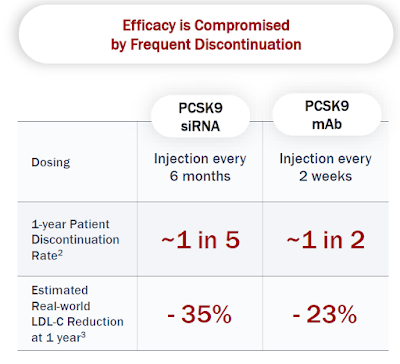
Patients do not benefit from drugs they do not take.  This is especially true in the cardiovascular disease space aimed at lowering atherogenic LDL-cholesterol where the majority of patients starting on oral options like statins do not take their pills after just one year.  This is also true for once every 2 to 4 weeks next-generation PCSK9 antibodies and even semiannual PCSK9 RNAi therapeutic inclisiran, though to a lesser degree in the latter case.


With this realization in mind, Verve Therapeutics set out to develop a PCSK9 CRISPR base editing treatment that should lower LDL-cholesterol for life by at least -40% after just a single administration of an intravenous LNP formulation.  Unfortunately, a first generation formulation, VERVE-101, had to be abandoned a year ago because of laboratory abnormalities, in particular ALT/AST elevations 5 to 10-fold above the upper limit of normal as well as a case of dangerously low platelet counts in a first clinical trial.  In addition, the intra-dose variability of the PCSK9 knockdown and LDLc lowering between subjects and the dose-responsiveness were not optimal.


Liver enzyme elevations (here ALT) with VERVE-101 in the HEART-1 study

All evidence pointed towards the LNP formulation, not the PCSK9 as the target or the base editing process, to be the culprit for the safety issues.  Verve therefore decided to replace some of the lipids in the liposomal formulation and add GalNAc sugars so as to allow the LNP to be taken up by both the LDL-receptor (via ApoE)- and ASGPR (via GalNAc).  This is helpful for two patient populations that are most in need for new treatment options and which lack LDL receptors (heFH and hoFH).  The base editor and guide RNAs were left unchanged from VERVE-101. 

Based on data from the first 14 subjects treated with VERVE-102 revealed today the theory translated perfectly into clinical practice.  At doses above 50mg of the LNP, the mean LDLc reduction was -59%, in line with the most potent PCSK9 agents (antibodies) and significantly more potent than inclisiran, especially in the heterozygous FH (heFH) population.  Moreover, there was a beautiful dose response for both PCSK9 and LDLc lowering and very little inter-patient variability.


Dose-related LDLc lowering in the HEART-2 trial with VERVE-102


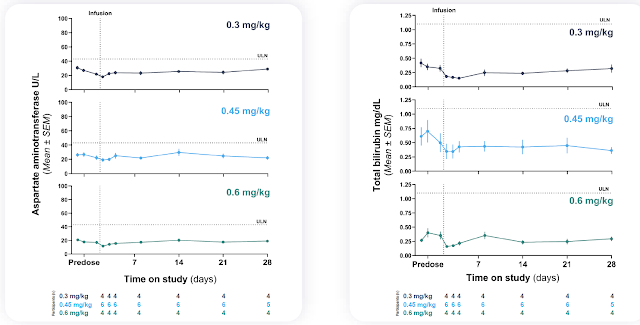
Even more importantly, the safety was pristine.  There was hardly a blip with no outliers in terms of ALT/AST changes upon LNP administration, a stark difference to VERVE-101.  Similarly, no platelet changes were seen.  Only a single case of grade 2 infusion reaction was observed which rapidly resolved and does not pose an obstacle to further clinical development and commercialization.  Anybody familiar with LNP technology understands that GalNAc-LNPs are now the gold standard in the delivery of genome editing in the liver.


Verve Therapeutics is wrapping up the HEART-2 study with a final higher dose to see whether there is further LDLc lowering and then proceed to a ~60-subject phase II study aimed at locking down one of two fixed doses of VERVE-102 for the registrational phase of clinical development.

Today marks a milestone in moving genome editing to large, indeed very large patient populations. 


Disclosure: I owned some Verve Therapeutics shares going into data and doubled down on it after seeing the emerging VERVE-102 product profile.


Tuesday, November 22, 2022

RNA Editing to Generate Protective Variants

Last week, ProQR participated at its first investor conference after a half year hiatus following a failed binary clinical read-out of a antisense splice modulator and corporate re-organisation to solely focus on RNA Editing.

To raise awareness of the company as a serious contender in this exciting field, the CEO detailed the new corporate strategy of growing the company as a major future biotechnology company.  This will be based on foundational IP, know-how and cash-generating partnerships as well as a broad internal pipeline reflecting the numerous ways RNA Editing can bring unique differentiation to addressing disease.  At the EuroTIDES two days later, the company provided scientific data illustrating the types of possible applications.

What caught my attention here is using RNA Editing for generating protective variants.  Protective variants are genetic variants in the human population that make carriers less likely to develop a disease.  PCSK9 and ApoCIII are well known in the cardiovascular field for those and have yielded promising therapeutics as a result.  Protective variants can also be found in other areas such as infectious disease (e.g. CCR5 and HIV) and Alzheimer's.

Not least because the story surprised and intrigued me for its translational potential, I will illustrate protective variant generation using RNA Editing taking PCSK9 as an example. 


Mimicking a PCSK9 mutation causing drop in bad cholesterol

With Inclisiran, an RNAi trigger suppressing the expression of PCSK9, RNA Therapeutics have become a commercial reality in cardiovascular disease aimed at very large populations.  A key attraction of this agent is the infrequent, semiannual dosing regimen that clamps down bad LDL cholesterol by ~-50%.

50%, however, somewhat lags the efficacy of the competitive PCSK9 monoclonal antibodies (~-60%) which have to be given at least monthly.  The fact that more robust LDL cholesterol lowering should therefore be possible also for RNA Therapeutics, the race for the most effective PCSK9 in this class is yet to be decided. 

Finding better RNA knockdown agents may be one, certainly attainable strategy, although AstraZeneca has just given up on an RNaseH antisense oligo that had looked promising in that regard.  Using an entirely new mechanism another.

Intriguingly, the sequencing of the PCSK9 gene in an individual with conspicuously low LDL cholesterol in Canadian Quebec province (Mayne et al. 2011) revealed that a Q152H variant in the heterozygous (!) state could lower circulating PCSK9 levels by ~-80% compared to the average, non-related population. This translated to a 60-70% LDLc lowering.  Subsequent cell culture experiments confirmed the causality of this mutation in regulating LDL-receptor levels via PCSK9 expression.  Curiously, while it was initially assumed that the mutation inhibited autocatalytic cleavage of pro-PCSK9, these experiments suggested that such mutant PCSK9s can also inhibit PCSK9 cleavage and subsequent export out of the cells in trans.  This dominant negative effect explains why the mutation in the heterozygous state could have such an outsized effect on serum PCSK9 and LDLc levels.


While other protective PCSK9 variants had been found before, this one was intriguing enough for ProQR to follow up on.  As histidine (H) is unlikely to be unique in messing up PCSK9 processing, ProQR chose QàR editing at the 152 site, possibly because glutamines cannot be converted into histidine via AàI editing, but also possibly because they suspected that the more highly charged arginine (R) residue could be even more impactful.


Impactful it was.  Even at only modest 25% editing (which certainly can, and has to be improved upon for further development), cleaved and secreted PCSK9 in cell culture was reduced by roughly -90%.   

It is important for the RNA Editing space to continue to advertise what the technology can do.  Because RNA Editing is not very useful as a genetic tool for general, academic molecular biology, the onus is on the companies to raise the awareness as some of the best translational ideas may come from scientists and physicians that have yet to hear about the technology.

Tuesday, October 30, 2018

RNAi is the Future of Cardiovascular Disease


At least, this is what Big Pharma and Biotech is saying right now following deals between pure-play RNAi companies Arrowhead Pharmaceuticals and Dicerna with Amgen and Eli Lilly, respectively, and the sale of The Medicines Company with its lead PCSK9 RNAi asset really being only a matter of timing.  Besides its new relationship with Eli Lilly announced yesterday, Dicerna has an ongoin CVD-related NASH/NAFLD collaboration with Boehringer-Ingelheim.  In addition, Wave Life Sciences and Akcea, the commercial Ionis spin-out, have been pursuing cardiovascular targets along with Pfizer and Novartis, respectively, using the competitive RNaseH antisense gene knockdown technology.

Drugging the undruggable

Part of the attraction of RNAi for CVD for the pharmaceutical industry is because the targets that come from large genetic studies (e.g. ApoCIII, Apo(a), ANGPTL3) based on chance alone are not readily druggable.  To make matters worse, amorphous lipid macromolecular aggregates are particularly difficult to target with either small molecules or antibodies.

Infrequent dosing

What a difference 10 years can make.  When Protiva (now Arbutus) was one of the first to enter a systemically administered RNAi therapeutic against LDLc-related ApoB into the clinic a decade ago, it often found itself ridiculed for using RNAi in such an indication.  Systemic RNAi back then required relatively frequent (1-3 weeks) intravenous administration which would make it an unlikely modality for widespread diseases that ideally require decade-long preventive treatment strategies.

Fast-forward to the present and now we have subcutaneously delivered RNAi with potential dosing frequencies of up to once-a-year as evidenced by the lead candidate of this crop, phase III asset Inclisiran by The Medicines Company.  If the remarkable safety profile holds up following about 2000 patient years of clinical experience, such a drug should be very widely prescribed, not least because it should enjoy great adherence, one of the major impediments of treatment success in cardiovascular disease.   

Undoubtedly, it has been the Inclisiran performance so far that has attracted the attention of players like Eli Lilly and Amgen, the latter of which, of course, should know particularly well about the competitive threat from RNAi having an antibody-based PCSK9 agent on the market (Repatha).  Beyond the upcoming slew of phase III read-outs with Inclisiran, it will equally be interesting to see the types of new targets being pursued and the clinical validation of targets like Apo(a) by the antisense competition.

Monday, August 31, 2015

Cholesterol-lowering RNAi Therapeutic Shocks Monoclonal Antibody Establishment

Not too long ago, RNAi Therapeutic got dumped by Big Pharma in a big way not least because of the monoclonal/recombinant protein pedigree and corresponding bias among the top dogs of these organizations.  This was most obvious with Roche and Merck when changes in their overall R&D organizations led to the loss of their last internal RNAi champions.

How times have changed. Yesterday, The Medicines Company (who have now become a natural acquisition target) and Alnylam presented data (press release here, data here) strongly suggesting that an RNAi Therapeutic will push aside the temporally more advanced monoclonal antibody competition to become the best-in-class agent in the potentially top pharmaceutical category over probably the next two decades: the inhibition of PCSK9 for the prevention of cardiovascular morbidity and mortality.

The data in support of this claim were presented yesterday at the 2015 ESC congress in London that in retrospect was apparently named in honor of the delivery technology underlying ALN-PCSsc, a so-called Enhanced Stabilization Chemistry-based RNAi conjugate.


Treatment adherence

Importantly, the single-dose part of the study showed that starting with a dose of 300mg of ALN-PCS, PCSK9 levels were flat-lined to ~25% of normal levels for at least 4-5 months and haven’t started to perk up yet by the data cut-off date for this presentation.  It is to be expected that the knockdown will be even more pronounced with repeat dosing as supported by the initial repeat-administration data (2/3 doses) showing mean PCSK9 reductions to ~15% of normal.

Since in the PCSK9 category, it is PCSK9 that is driving LDLc lowering, the ultimate aim of this therapeutic approach, similar kinetics were seen in terms of LDLc levels in the blood with reductions (and safety/tolerability profiles) comparable to that seen with the recently approved monoclonal antibodies PRALUENT (by Regeneron/Sanofi) and REPATHA (by Amgen), ~55-60%.

In the case of the monoclonal antibodies, dose administrations every two weeks is really what it takes to consistently suppress PCSK9/LDLc because their inhibitory ability is directly correlated to their amount in the blood which declines rather precipitously after drug administration.  In the case of RNAi, however, you only need minute amounts to clamp down gene expression and at least for the liver, it appears that quarterly/semi-annual dosing schedules are realistic (it also depends on target and how much it needs to be repressed; e.g. with CC5 you may need much more target gene knockdown than 58-90%).

Sticking a needle into you just 2 or 4 times a year instead of 26 times, of course, has great advantages when it comes to treatment adherence. Keeping patients on drugs is a major issue for such life-long therapies especially since the disease is not felt acutely.  This point was made repeatedly by cardiovascular disease thought leader Dr. Kastelein on the companies’conference call.  By being able to co-ordinate drug administration with routine doctor visits, it would be possible to achieve very high compliance rates thereby preventing intermittent LDL cholesterol spikes that are believed to be particularly harmful.

In other words, assuming cardiovascular outcomes to be almost entirely driven by LDLc lowering, ALN-PCSsc would/should be best-in-class in the PCSK9 category.  There are numerous examples such as Eylea in the wet AMD space where injection frequency is the main competitive driving force among competing agents (here VEGF inhibitors) that exemplify how being a best-in-class follower can be very profitable.  Let the monoclonals build the PCSK9 market for ALN-PCSsc to then take it.

Outcomes

Last but not least, the ultimate value from being different will come from the results of the cardiovascular outcomes (and actually overall survival) studies that will really unleash the wide adoption of the PCSK9 class.  Due to their similarities, there is every reason to believe that the results from the monoclonal antibodies will cluster tightly.  By contrast, for better or worse, the outcome studies from ALN-PCSsc should be notably different and given that an RNAi agent mimics the compelling human genetics behind the PCSK9 story (extreme LDLc lowering in PCSK9-mutant individuals without other apparent untowards effects such as elevated liver triglycerides etc) much more closely, I like my chances here.  

We all know about the intricate feedback mechanisms of lipid biology so that binding a player merely in the serum as the monoclonals do as opposed to removing it from both inside and outside the cell could have unanticipated consequences.  Albeit early, the preliminary data from ALN-PCSsc support that in that the percent LDLc knockdown is the same whether in the presence or absence of high-dose statins whereas that of the monoclonal antibodies becomes muted.


Having said that, expect the monoclonal antibody establishment to play the 'RNAi is different from monoclonal antibody card' lest ALN-PCS piggy-backs on the MAb CVOT results expected to come out starting in 2017.

Back to my self-imposed exile, but I couldn't resist on commenting on what could be a perfect Oligonucleotide Therapeutics storm that is building. Next up is (maybe) ARC-520 for HBV.  And yes, I'm long MDCO as if that's not obvious.

Wednesday, May 7, 2014

Alnylam GalNAc Improvements Incremental, but Likely Enough to Beat PCSK9 Antibodies

Over the last week, Alnylam presented pre-clinical data for their new development candidates for the treatment of hypercholesterolemia (ALN-PCSsc) and liver disease related to forms of alpha-1 antitrypsin deficiency (ALN-AAT).  These candidates are based on second-generation GalNAc-conjugate chemistry that the company is now dubbing ESC (Enhanced Stabilization Chemistry).  They involve the increased use of chemical nucleic acid modifications for stability with attendant improvements in knockdown potency and duration over first-generation GalNAc conjugates such as ALN-TTRsc.  ALN-TTRsc is the lead GalNAc candidate and currently in phase II development.


Borderline first-generation GalNAcs

In a phase I study of ALN-TTRsc, potent knockdowns were achieved with about:

-60% knockdown at 2.5mg/kg;
-80% knockdown at 5.0mg/kg (ED80), and
-90% knockdown at 10.0mg/kg.

At the risk of insulting medical geneticists for oversimplifying, assume that an RNAi technology that can safely achieve an 80% target gene knockdown provides for a solid platform.  In the case where a subcutaneous route of administration is desired and/or necessary, this should ideally also fit into a 1ml injection volume which in the case of GalNAc conjugates would correspond to a 2.5mg/kg dose.

There is some controversy around acceptable injection volumes and as often is the case, increased standards are applied to RNAi Therapeutics.  I say this because drugs and drug candidates such as expected mega-blockbuster PCSK9 antibody from Amgen, AMG-145, has been administered at 2ml volumes.  In fact, to achieve once-every-4-week dosing, 6ml (3x2ml) have been administered (see Giugliano et al. 2012).

In light of this, ALN-TTRsc has failed the 1ml test, but 80% are certainly possible with this first-generation GalNAc chemistry.  There is therefore room, and in some cases a competitive need (àcompetition with more potent delivery technologies such as Tekmira’s SNALP LNPs and Arrowhead’s single molecule DPCs) for improvements in GalNAc conjugation technology.    


Second-generation data could indicate progress

In agreement with this, Alnylam is now advertising the ESC second-generation GalNAc and has presented critical non-human primate data for their new development candidates ALN-PCSsc and ALN-AAT.  Non-human primate data are ‘critical’ because the RNAi knockdown observed in monkeys typically closely predicts what will be seen in humans based on the experiences with ALN-PCS (SNALP), ALN-TTR (SNALP), and ALN-TTRsc. 

In interpreting the newly presented data, it should be noted that in the case of ALN-TTRsc, an 80% knockdown was already observed at 2.5mg/kg (and 5mg/kg) in non-human primates, but that this shifted to 5mg/kg in humans.  Numerically a relatively small difference, in practical terms an important one.   

ALN-PCSsc achieved 80% PCSK9 target gene knockdowns at 2mg/kg in a weekly multi-dose study in non-human primates.  This resulted in a highly competitive 60% LDLc lowering in the absence of statins.  Similarly impressive in light of the monoclonal antibody competition was that 80% PCSK9 knockdown and 50-60% LDLc reductions were achieved and sustained for over 3 months (!) when a single dose of 10mg/kg (2x2ml) was given.  Compare this to 57% LDLc lowering with AMG145 in a once-every-4 week regimen in the MENDEL-2 phase III study of AMG145:

-ALN-PCSsc (RNAi): 50-60% LDLc reduction, 2x2ml subcutaneous, once-every-3-months
-AMG145 (monoclonal antibody): 57% LDLc reduction, 3x2ml subcutaneous, once-every-4-weeks (phase III MENDEL-2 monotherapy study)

(Yes, I do keep an eye on cash-rich, sub-$2B market cap The Medicines Company, Alnylam’s licensee for ALN-PCSsc for this reason).

Before I get carried away with all the advantages of the RNAi platform over monoclonal antibodies for even extracellular targets such as PCSK9, in terms of GalNAc improvements, these knockdown results are very much in line with what was seen for TTR in non-human primates. 

The same applies for ALN-AAT where a single dose of 3mg/kg translated into a 60% knockdown which, based on TTR and PCSK9, will likely translate into a weekly multi-dose ED80 of 2.0-2.5mg/kg in non-human primates.

However, with the caveat of different half-lives for different target genes, the durability of the PCSK9 knockdown is quite impressive and more than what is typically seen with e.g. SNALP LNPs which have historically utilized minimally modified RNAi triggers.  Such triggers may be turned over more rapidly in liver cells.

Similarly, the RNAi trigger sequence in the TTR development candidate is an extraordinarily potent one with low single-digit picomolar EC50 potency in tissue culture.  It is therefore possible that equivalent animal potencies have now been achieved with less potent sequences meaning that the underlying delivery technology has improved.

It’s been fascinating to watch the various delivery platforms, and indeed RNaseH antisense, compete over the years and pushing each other to new heights.  In this context, I am anxiously waiting for Arrowhead’s presentation at next week’s TIDES meeting with the intriguing title:  Next Generation Dynamic Polyconjugates for siRNA Delivery in vivo,”


Market commentary: I remain mostly on the sidelines.  Years ago, these scientific data would have made me jump head-first into the market with me buying all I could in the opening minutes.  These days, however, I view them as ensuring the long-term value of RNAi stocks, but fail to see how they will support share prices in the current, growth-to-value rotating trading environment for more than a trading week or so.  I am therefore speculating on a capitulation event before some of the important clinical data read-outs roll in.  

Friday, March 7, 2014

An RNAi Therapeutic Could Be Last Man Standing in PCSK9

PCSK9 has arguably become biotech’s hottest drug target as it promises to unlock much of the remaining unmet need in lowering ‘bad’ LDL cholesterol.  While monoclonal antibodies have been the predominant and most advanced modality to address PCSK9 (e.g  alirocumab Regeneron/Sanofi-Aventis and AMG145 by Amgen), RNAi Therapeutics have made tremendous, yet widely underappreciated progress in this area with predicted potencies equivalent to if not superior to monoclonal antibodies.

Alnylam’s ALN-PCS leads in this effort (preclinical 67% LDLc lowering without statins) and should have entered clinical development by the beginning of 2015.  It is partnered with The Medicines Company.

The news today that the FDA has become concerned about neurocognitive adverse events in the ‘PCSK9 class’ could mean that RNAi Therapeutics, despite their development delays, will carve out a nice junk of the PCSK9 market which is widely estimated to be a multi-billion dollar market in terms of annual sales.

But if it’s a ‘PCSK9 class’ issue, so how could this be positive for RNAi Therapeutics?  Wouldn’t this concern also apply to ALN-PCS?

Not necessarily.  Since by far the most clinical experience with PCSK9 has been obtained with monoclonal antibodies, the FDA may be inappropriately lumping all PCSK9 inhibitor agents in one bucket confusing a short-coming of a therapeutic target with a short-coming of monoclonal antibodies.

The reason why I have a good feeling that this turn of events could be very positive for RNAi Therapeutics is that RNAi is a genetic tool that reduces PCSK9 expression before any protein is made.  The approach therefore resembles populations that under-express PCSK9 for genetic reasons and which enjoy improved cardiovascular health compared to the general population without any apparent negative consequences of their PCSK9 deficiencies.  It is for this very observation that PCSK9 has become such a sought-after target and RNAi, a gene knockdown approach, best mimics human genetics.

Monoclonal antibodies don’t.  One mechanism by which antibody-specific toxicity might arise from is the fact that they form complexes with their target.  Such complexes could elicit adverse immune reactions in organs where they form and accumulate.  While I am not familiar with the binding sites of the particular Regeneron and Amgen antibodies to PCSK9, it might also be possible that the immune complexes form directly on neuronal cells expressing LDL-receptor-like proteins (note: PCSK9 binds the LDL-receptor).


Beyond PCSK9, today’s events emphasize yet another hitherto under-appreciated value proposition of RNAi Therapeutics, namely providing differentiation value when going head-to-head with the small molecules and monoclonal drug establishments.

Tuesday, February 5, 2013

Alnylam and The Medicines Company to Position RNAi PCSK9 Drug Candidate as Fast Follower


Yesterday, Alnylam made the somewhat surprising announcement that it partnered with the ~$1.6B market cap The Medicines Company to develop and commercialize its RNAi Therapeutic program targeting PCSK9 for hypercholesterolemia.   This program includes ALN-PCS02 which had completed a phase I study last year and contemplates subcutaneous formulations, too.  

This means that as a number of PCSK9 monoclonal antibodies are moving forward in clinical development at lightning speed, including phase III trials involving more than 20k patients, the ambition here is not to have a Big Pharma try and catch up (maybe they did try, but nobody was willing to partner), but to carefully study the experiences of the monoclonals and exploit the biological differentiation that an RNAi approach offers over antibody.  With The Medicines Company on board, some of that potential at least is seen in the hospital setting.   


Mechanism of Action of RNAi vs Antibody 

There are various points of differentiation which might translate into a clinical benefit for RNAi. Expect the companies to look hard for such evidence and, if found, beat the drum about it. These differences include: 1) reduction of both intra- and extracellular PCSK9 thus replicating human genetics from which PCSK9 emerged in the first place; antibodies merely bind existing extracellular PCSK9; 2) because antibodies form complexes with their targets and do not act catalytically, the percent target inhibition efficiency of antibodies depends on target abundance; therefore, in patients that have many more PCSK9 molecules than the number of antibodies you can fit in a subQ syringe, PCSK9 antibodies will not work well; RNAi, however, works with similar percent knockdown efficiency more or less regardless of target gene expression levels.


Efficacy

In general, the LDL cholesterol reductions with monoclonal antibodies have been between 40-70% in multi-dosing regimens.  In Alnylam’s single-dose phase I trial, the liposomal ALN-PCS02 achieved a ~30% reduction (area under the curve). 

Frankly, given the number of clinical trials involving PCSK9 monoclonals, I have given up tracking the results of each and every study.  Having said that, in reviewing the phase II trials of the candidate that may be viewed as the most advanced/exciting one, AMG145 by Amgen, it seems that the higher end of LDLc reduction was only achieved when given on top of statins.  Althought to me this seems a bit counterintuitive since statins are thought to act mechanistically essentially the same as PCSK9 inhibitors, namely via increasing LDL-receptors on hepatocytes, that's the way it looks right now, and the ALN-PCS02 trial may have been disadvantaged as it was mono-therapy.

Finally, with continued improvements in the potency of RNAi Therapeutics technologies, it should be possible to achieve similar LDLc reductions with RNAi as with PCSK9 antibodies. 
  

Acceptance

I like the fact that PCSK9 has become a small battleground between RNAi and monoclonal antibodies as this may be the best way for RNAi Therapeutics to work on its wider acceptance by the medical and investor community.  Notably, the often glorified monoclonals frequently suffer from injection reactions (some notable serious ones were observed in Regeneron’s PCSK9 trials), other immune-related issues and manufacturing challenges to name a few issues.  RNAi Therapeutics, of course, are facing some of the same challenges, but it irks me that when it comes to this technology, they suddenly are supposed to be show-stoppers.


Financials

The financials (including a $25M upfront, up to $180M in sales and commercialization milestones and double-digit royalties) were not all that exciting for Alnylam and reflect the fact that only one single-dose phase I trial had been conducted.  Also, as Alnylam cannot claim a blocking IP any more and has licensed hepatic targeting rights to other companies, including Roche/Arrowhead, the value of ALN-PCS as the only RNAi candidate for PCSK9 has been lost.

Still, $25M is serious money for a company the size of The Medicines Company and you do not turn this over just to help out an old friend.  

Wednesday, January 2, 2013

What to Expect from RNAi Therapeutics in 2013


2012 was the most exciting year in the ~12-year history of RNAi Therapeutics- both from a scientific and financial perspective.  Left for dead by most, unambiguous gene knockdown results in Man have allowed the technology to regain much-needed respectability.  With the start of 2013, the industry is looking to build on these successes with additional clinical trial results, interesting new therapeutic candidates and product-specific and platform-related deals, particularly in the area of delivery.  With appetite for innovation increasing in a low interest rate economy and with the orphan drug tsunami, 2013 could be a quite rewarding year for the discerning investor.

Clinical results to look out for

Clinical results in 2013 that will continue to shape perceptions of the technology include phase II study results for ALN-TTR02 in TTR-FAP by Alnylam, phase I results from its GalNAc conjugate version ALN-TTRsc, and phase I results from a number of other programs, foremost from oncology drug candidate TKM-PLK1 by Tekmira, ALN-AT3 for hemophilia by Alnylam, and finally RXI-109 for dermal scarring by RXi Pharmaceuticals.  

For ALN-TTR02, it will be important to confirm the impressive knockdown results from the phase I study, but over longer periods of time and with still acceptable safety.  ALN-TTRsc will be an important proof-of-concept for the subcutaneous delivery of RNAi Therapeutics and should provide a good idea of what to expect for ALN-AT3 which is based on the same GalNAc siRNA conjugate technology.  The success or lack thereof of Alnylam’s GalNAc technology will also affect the perception of Arrowhead’s DPC technology as either a competing or necessary subQ alternative to GalNAcs.

Tekmira’s TKM-PLK1 has not gotten much credit so far.  This, however, could change with the presentation of the full phase I results, possibly at this year’s ASCO.  I consider PLK1 as the single most attractive target for cancer RNAi and I am bullish that the molecular analyses will show molecular, if not clinical efficacy at this early stage.  And while TKM-PLK1 could overcome the safety-efficacy hurdle for some indications, the importance of PLK1 as a target demands that Tekmira will continuously work on improved follow-on versions.

Finally, RXi’s second phase into RNAi for skin applications.  I also consider dermal scarring as an interesting differentiated, because cosmeceutical RNAi product opportunity.  


Cool pipeline additions

As detailed in my last blog entry, there are two exciting infectious disease drug candidates for which clinical development will ramp up in 2013: Arrowhead’s ARC520 aiming to achieve for HBV what has recently been achieved in HCV (dramatically increased cure rates and less suffering from the side effects of interferons), and Calimmune’s ddRNAi-based HIV drug candidate aiming to keep the virus out of immune cells.

It looks like we will have to wait for clinical efficacy results from these programs for a while (2014-2015), either due to the nature of the cell competition approach involved in the HIV program or because of the use of healthy volunteers.  I believe the latter is what Arrowhead has guided for ARC520, but from an investor perspective this would be highly unforunate as this would delay the demonstration of gene knockdown with the DPC platform.  And from a medical perspective, I am struggling to see what the value or necessity of a volunteer trial would be.  


Deals and Big Pharma

In addition to clinical trial results, RNAi Therapeutics investors will be getting up each morning to check the internet for whether a deal has been announced.  Alnylam’s ALN-PCSK9 is the most imminent partnering candidate and will be an indicator of the mere differentiation value of RNAi Therapeutics.  While clinically more advanced monoclonal antibody-based programs for the industry’s most desired target, PCSK9, exist, should monoclonal antibody stumble as a class, RNAi Therapeutics and ALN-PCS could suddenly have the market for itself.  Considering the multi-billion $$$ potential of PCSK9, a gamble worth taking for a Big Pharma in my opinion.

Similarly to ALN-PCS in the hypercholesterolemia market, the size and complexity of the clinical program that would be required to turn ARC520 into a major HBV drug well exceeds Arrowhead capacities, and this could mean that we will see an early licensing deal around that asset, too.  While proof-of-concept clinical knockdown data would greatly increase the partnering value of ARC520, from a financial perspective (--> di-lu-tion!) early partnering may be prudent if no alternative non-dilutive capital alternative presented itself.

As delivery is gating for all of the above RNAi Therapeutics product opportunities, delivery naturally should be the subject of a few more platform-type relationships.  Tekmira’s SNALP technology for addressing diseases of the liver, lung, and cancer tops the list for a meaningful partnership (>$10M upfront), and also Arrowhead’s DPCs for liver-targeted gene knockdown ought to see some interest.  

Delivery-related deals should also reveal which Big Pharma company is still committed to the RNAi Therapeutics platform.  For the efforts at Takeda, Merck, and Novartis (the three most significant ones in terms of investment to-date), it could be a make-or-break year.  I cannot imagine that these groups are allowed to exist in their current forms for much longer before they get anything into the clinic.  For this, they probably need to swallow their own pride and accept that expert outside help is necessary for their delivery needs (rather than attempting home-brew versions).  Given the recent clinical and late preclinical results for SNALPs and DPCs, chances that they will finally do something have certainly increased.

A Happy New Year everybody.

Sunday, April 22, 2012

New Clinical Results Put ALN-PCS Firmly in Business in PCSK9 Race


Alnylam reported on Friday updated results from the phase I single-dose, dose-escalation trial of its hypercholesterolemia candidate ALN-PCS02.  Importantly, the data demonstrate that ALN-PCS can produce clinically meaningful 30-40% reductions in LDLc (the ‘bad’ cholesterol) for much of the 28 study days of the study after only a single infusion of the drug.  This bodes well that ALN-PCS may be useful for the millions of patients that cannot achieve their LDL cholesterol goals despite the availability of statins.

After presenting solid PCSK9 knockdown results in January from subjects receiving up to 0.25mg/kg of the PCSK9 siRNAs which are critically enabled by Tekmira's SNALP delivery technology, the latest data include the results from subjects receiving 0.4mg/kg PCSK9 siRNAs after the decision had been made to increase the top dose based on the favorable safety-efficacy profile thus far.  This was important because despite the solid plasma PCSK9 reductions seen up to 0.25mg/kg (roughly 50% mean reductions throughout the 28 days), both the peak and average mean LDLc reductions until then had been less than 30% and 20%, respectively.  Probably not enough to effectively compete in the hot PCSK9 field.  

Based on the latest data, which included impressive >80% target plasma PCSK9 reductions, it is reasonable that ALN-PCS will be able to achieve average (=sustained) ~45-50% LDLc reductions in a once-every-4-week dosing regime.  This would put it just slightly behind Regeneron’s PCSK9-targeting monoclonal antibody REGN727 in terms of LDLc lowering.  It may be more difficult for ALN-PCS to achieve the LDLc lowering efficacy of Amgen’s PCSK9-targeting antibody AMG145 which has been hailed at the recent ACCconference to produce LDLc lowering of ‘up to’ ~60-80% at apparently pristine safety and tolerability.  I should add, however, that the warts-and-all data on AMG 145 have yet to be made publicly available.

In light of the intense competition in the PCSK9 space and a possible potency disadvantage for this surrogate marker, it will be interesting whether, firstly, the pharmaceutical industry (note, a larger partner will have to be found to financially shoulder the unavoidable outcomes trial), and eventually the market-place will adopt this new class primarily for their absolute LDLc reducing ability or in order for patients to achieve their lipid goals.  Some LDLc proponents, of course, stress that the lower the LDLc, the better.  On the other hand, whether a drug can lower LDLc by 50% or 70% won’t matter for many patients when it comes to simply achieving standard LDLc goals of 100mg/dL or even 70mg/dL.  In that environment, the focus in making the choice between competing drugs would shift to factors beyond mere LDLc lowering potential, particularly safety.

While ALN-PCS is mainly suffering from the fact that it is given following pre-treatment with corticosteroids, something that also had important impacts on the PCSK9 and LDLc efficacy data, the once much-touted safety profile of the PCSK9 antibodies have taken a significant hit with the publication of phase II data from REGN727 (McKenney et al. 2012).  In addition to one serious adverse event, a case of potentially life-threatening inflammation of blood vessels (leukocytoclastic vasculitis) that, however, readily resolved after giving corticosteroids, there was an apparently dose-dependent, adverse event-related increase in the rate of discontinuations, with ~15-20% discontinuing treatment in the biweekly dose cohorts in study 11565.  Next to the case of vessel inflammation, the AE-related discontinuations involved cases of neutropenia, fatigue, injection site rashes, chest pain, and headache/nausea. 

Amgen has yet to publicize more detailed data for AMG145.

Next to multi-dosing and the safety and efficacy impacts of omitting corticosteroids in future studies, another important question for ALN-PCS that remains to be answered in the upcoming trials will be testing the candidate in patients on statins.  REGN727 encountered problems here as patients concomitantly taking statins experienced an LDLc rebound effect after around 2 weeks.  Whether this is a class effect of agents merely blocking extracellular PCSK9 (such as antibodies), instead of inhibiting the synthesis of both intra- and extracellular PCSK9 such as ALN-PCS is an interesting question.  

This mechanistic difference could also be the big wildcard when it comes to the ultimate arbiter of clinical utility, the outcome trials: despite the clear evidence that LDLc levels are inversely related with cardiovascular events, with all the complicated feedback loops of lipid biology and related diseases, mechanistic differences could easily erase 20% differences in LDLc lowering.  An indication that these theoretical considerations are translating into the clinic may be deduced from the observation that (in Alnylam's words) ‘importantly, ALN-PCS demonstrated consistent clinical activity toward both PCSK9 and LDL-C independent of baseline levels of PCSK9, highlighting the unique mechanism of action for a PCSK9 synthesis inhibitor.’

For Alnylam, the near-term challenge will be thus to find a large partner, probably without a stake in PCSK9 yet, willing to take the risk with RNAi Therapeutics mainly for the differentiation it offers over the other PCSK9 approaches.  A stumble of the monoclonal antibody class could easily mean that ALN-PCS becomes the lead candidate in the PCSK9 market, estimated by many to be a multi-billion dollar one. 

Wednesday, January 4, 2012

ALN-PCS02 Results Provide Glimpse of First RNAi Therapeutics Blockbuster

If the experts at Roche and other Big Pharma companies got you convinced that RNAi Therapeutics was about to disappear from the scene by pulling the plug on the technology…think again. Alnylam this morning reported tantalizing insights into the safety and efficacy of ALN-PCS02, a SNALP-formulated RNAi Therapeutic targeting PCSK9 for the treatment of hypercholesterolemia. Given that PCSK9 is viewed as potentially the next biggest thing in cardiovascular drug development after statins have come off patent, and considering the results so far from the monoclonal antibody and antisense competition, this RNAi Therapeutic has the potential to become the field’s first blockbuster. As we know, a field does not need too many blockbusters to become more widely accepted, and it is acceptance, not so much lack of scientific progress, which has been lacking over the last 2-3 years. Together with the ALN-TTR01 results reported in November, I expect these results to dramatically change perceptions about RNAi Therapeutics in the pharmaceutical industry. And if I had to write the script, Alnylam will announce a share offering tomorrow or Friday afternoon in order to go hostile on Tekmira to remove the uncertainties arising from their use of Tekmira’s SNALP technology which critically enabled these results and on which most of Alnylam's $400M market cap depends on.


ALN-PCS02 Phase I Data

This trial was a simple single-dose escalation trial in subjects with slightly elevated levels of bad LDL cholesterol. Dosing in the 5 dose cohorts commenced at 0.015mg/kg and went up to 0.250mg/kg with each cohort consisting of 3 subjects receiving an intravenous infusion of ALN-PCS02 and 1 receiving placebo. As could have been expected with this particular rationally designed '2nd gen' SNALP formulation, robust target protein knockdown was observed at the highest dose tested with a mean 60% reduction in plasma PCSK9 levels presumably 3-5 days after administration. In line with PCSK9 genetics, this type of knockdown entailed a mean 39% reduction in bad LDL cholesterol. Importantly, and again consistent with the wealth of non-human primate data, this knockdown was sustained for days and weeks. Given that ALN-PCS02 apparently was well tolerated, with the only noted adverse event being a rash that was likely to be related to the mode of administration and not the drug itself, Alnylam now plans further dose escalation to a) increase knockdown potency, but b) also extend the duration of PCSK9/LDLc suppression. This is particularly desirable in light of the competitive situation.

The PCSK9 Competition

Needless to say, having now two examples in short order where RNAi Therapeutics unambiguously hit their targets, proof-of-concept of technical success can be claimed and one can now focus on the medical and commercial potential of these therapies. In this regard, the competition in the PCSK9 space is fierce. Big Pharma and Big Biotech have fielded their A-teams to develop monoclonal antibodies against PCSK9. Since much of the LDL-related effect is due to PCSK9 in the serum, this target is a particularly amenable to MAb technology.

Sanofi-Aventis/Regeneron are most advanced with REGN727 which is in the middle of a number of phase II studies. Amgen also reported recently phase I results with their PCSK9 MAb. Studies with both compounds have shown more potent LDLc reductions of around 65% compared to the 39% with ALN-PCS02 so far. This, of course, is a good reason for Alnylam to go ahead with its plans and continue dose escalation. However, once you achieve the type of 60-70% reductions in LDLc, the next major focus becomes safety, and so far the RNAi Therapeutic looks quite competitive in that regard.

As discussed in October, the PCSK9 antisense compounds by Santaris and ISIS have fallen a bit behind due to probably both safety (Santaris) and efficacy (ISIS) issues, although I expect ISIS to reciprocate tomorrow by presenting TTR knockdowns at their Investor Day tomorrow that are more pronounced than Alnylam’s first attempt with ALN-TTR01.

[Update 5Jan12: ISIS reported 44% mean TTR reductions at 200mg per week, very similar to ALN-TTR01 at 1mg/kg; and 81% reductions at 400mg per week, a dose that I consider too high for tolerability and commercialization; ISIS also disclosed that the BMS-partnered PCSK9 candidate was dropped citing a slow partner and regulatory concerns about PCSK9 as a drug target].

Overall, we can now conclude that the ALN-TTR01 results were no fluke (I never expected that to be the case anyway) and that in theory all targets in the liver are fair game now for RNAi Therapeutics. Moreover, the data show that the preclinical data with SNALPs translate very well into humans, removing a considerable uncertainty and opening up the prospect of further improvements in SNALP delivery based on what Tekmira and Alnylam have presented over the last few months.

A biotech company does not need many these PCSK9-type products to rise into the ranks of Big Biotech. While there is still a long clinical way to go, I believe that sometimes you are allowed to cheat and look at hard preclinical data, and in doing so I believe that today we may have seen the first glimpse of an RNAi Therapeutics blockbuster. I’m wondering how the Roches and Pfizers will be feeling over the coming months and years as the field of RNAi Therapeutics matures at this rate. It is also an opportunity for new entrants to build strong positions in the space with relatively small investments (still). Am I a bit vindictive today? Yes, definitely.

Friday, October 7, 2011

Santaris Terminates PCSK9 Hypercholesterolemia Trial

Antisense company Santaris seems hardly able to catch its breath these days. After being sued by ISIS Pharmaceuticals for patent infringement, reporting first clinical proof-of-concept for a MicroRNA Therapeutic, it has now been revealed that the company prematurely terminated a phase I trial of its PCSK9 phosphorothioate LNA RNase H antisense inhibitor SPC5001 for the treatment of hypercholesterolemia. This study had been initiated in May of this year with an estimated enrollment of 40 healthy and familial hypercholesterolemia subjects.

Reasons for the trial termination were not revealed. However, since this was a phase I safety trial, it is likely that the trial termination was due to some safety issue. Supporting this is that, coinciding with the PCSK9 trial termination, enrollment has been halted in another phase I hypercholesterolemia trial sponsored by Santaris, this time targeting ApoB (SPC4955).

Consequently, after the premature trial termination last year of BMS/ISIS’ phosphorothioate 2’ MOE RNase H PCSK9 antisense inhibitor (BMS-844421), Alnylam’s SNALP-delivered ALN-PCS has suddenly taken the lead in the race to develop a PCSK9-targeting RNA Therapeutic, pitting it against the monoclonal antibodies by the likes of Regeneron and Amgen.

Without explanations for the trial terminations, it is difficult to pin down the exact cause(s) of the presumed toxicities. What the compounds by Santaris and BMS/ISIS Pharmaceuticals obviously share is that they both use phosphorothioate chemistries and work via an RNaseH mechanism. Phosphorothioates are widely used in antisense development because they bind to proteins in the plasma and various tissues, thereby allowing one to achieve tissue concentrations high enough such that mass action will allow for cell penetration and target gene knockdown. In my opinion, phosphorothioate oligonucleotides are promising for a number of local applications. The problem with systemic applications, however, is that the high concentrations reached in tissues such as liver, spleen, and kidney, ultimately limit their therapeutic window. Some industry experts have referred to this issue as the ‘hazardous waste’ problem of systemic phosphorothioate oligonucleotides.

ISIS supporters will point out that Santaris’ specific LNA chemistry is the most likely culprit, whereas ISIS’ chemistries are relatively safe as supported by ISIS’ comparative studies. Of course, these studies were published to make Santaris look bad, just as the recent lawsuit was aimed at blunting Santaris’ competitive threat. Conspiracy theorists may even suspect that the sudden turmoil around Santaris is no coincidence and was orchestrated to inflict maximum damage at a time that Santaris seemed to be on a roll with a number of trial initiations, positive HCV data, and depriving RNAi Therapeutics of a deal with Pfizer (Pfizer apparently being attracted to ‘naked’ oligonucleotide approaches over RNAi nanoparticle ones). However, if Santaris intended to go public to satisfy its increasing cash needs (maybe less so with the trial terminations), it can probably scratch that now.

RNA Therapeutics is intensely competitive as they compete for pretty much the same investment dollars. Investors, including Big Pharma, are easily influenced by public opinions and fashion trends. 4 years ago it was all about the fear of being left behind in RNAi Therapeutics, with little attention being paid to true enablement and expertise in a noisy field. This made antisense look like the ugly cousin. In the last 2 years, however, antisense has regained favor as the RNAi delivery ‘problem’ became widely publicized which made antisense look deceptively simple. Santaris especially made a living of that by advertising, e.g. at conferences and press releases, the delivery problem of RNAi Therapeutics and getting a few laughs by stating their motto of 'staying naked’ and ‘staying short’.

Needless to say, my favored technology is RNAi Therapeutics: ‘natural’ and ‘potent’ is my motto. The hypercholesterolemia arena will be a particularly good battleground for antisense and RNAi Therapeutics to test their metals: same targets, easy biomarkers, chronic applications. The next chapter will be top-line data from Alnylam’s ALN-PCS phase I trial which are expected by year-end.

Monday, July 11, 2011

Tekmira Partner to Initiate Phase I Study for the Treatment of Severe Hypercholesterolemia

Tekmira’s partner and licensee Alnylam Pharmaceuticals announced today the submission of files to a European regulatory agency in anticipation of a phase I study with a candidate targeting PCSK9 for the treatment of Severe Hypercholesterolemia. The primary aim of this early-stage study is naturally the safety and tolerability of ALN-PCS. An important secondary aim, not just for Alnylam but also for the entire field of RNAi Therapeutics, will be assessing drug activity as measured by target protein levels in serum. Initial data are expected by year end.

ALN-PCS represents Alnylam’s 4th clinical candidate, three of which are based on Tekmira’s SNALP technology (VSP, TTR, PCS). It also represents the 2nd candidate under its 5x15(TM)program which aims to advance five RNAi Therapeutics candidates into late-stage clinical development by 2015. All disclosed candidates under that program (TTR, PCS, HPN) are based on SNALP technology.

Despite the success of statin in lowering cholesterol, many patients are still considered to be in need of additional treatment options. PCSK9 has emerged as a very attractive target for such uses based on human genetics which suggest PCSK9 knockdown to reduce ‘bad’ LDL cholesterol in addition to being well tolerated. While ALN-PCS is the first RNAi Therapeutics candidate to target PCSK9, other companies have already started clinical development of PCSK9-targeting hypercholesterolemia candidates.

These competitive efforts are based on monoclonal antibodies and antisense approaches and include a recently initiated program by Santaris (LNA antisense) and monoclonal antibody programs by Amgen, Pfizer, and Regeneron amongst others (mostly phase I and II). ISIS with partner BMS together are also developing a PCSK9 antisense candidate. This candidate, however, still appears to be in late preclinical studies following some delays.

The pre-clinical data show that RNAi, antisense, and monoclonal antibodies can all potently down-regulate or bind and inhibit PCSK9. It seems, however, that one advantage of ALN-PCS could turn out to be that it does not simultaneously down-regulate ‘good’ HDL cholesterol as was observed e.g. in a rodent study by ISIS (antisense; significant 50% reductions; Graham et al 2007) or in a non-human primate monoclonal antibody study by Amgen (moderate 20% reductions; Chan et al 2009).

Obviously, it is still early days to speculate on the eventual competitive profile of the various candidates. With regard to safety and tolerability it is notable, however, that the anticipated highest dose with ALN-PCS in the study is 0.25mg/kg. This means that an average Caucasian may receive only about 10-20mg siRNA per week (assuming bi-weekly or monthly administration). While there is still some more uncertainty about the safety profile of non-DLinDMA SNALPs such as ALN-PCS (this candidate uses MC3 while all other SNALP candidates so far made use of DLinDMA), such low doses make me optimistic that the safety profile should be quite competitive.

Adding Tekmira’s efforts, this program is the 5th SNALP candidate in 3 years to enter clinical development. At least two more are anticipated this year. ALN-PCS therefore further illustrates one of the advantages of RNAi Therapeutics development, namely that once there is a suitable delivery technology for a given target organ, in this case SNALP for liver delivery, the indications can be rapidly expanded to multiple drug targets. This also means that the inventor behind and manufacturer of ALN-PCS, Tekmira, should receive a milestone from its partner and licensee upon initiation of dosing, adding to an increasing royalty stream.

By Dirk Haussecker. All rights reserved.

Disclaimer: This blog is not intended for distribution to or use by any person or entity who is a citizen or resident of, or located in any locality, state, country or other jurisdiction where such distribution, publication, availability or use would be contrary to law or regulation or which would subject the author or any of his collaborators and contributors to any registration or licensing requirement within such jurisdiction. This blog expresses only my opinions, they may be flawed and are for entertainment purposes only. Opinions expressed are a direct result of information which may or may not be accurate, and I do not assume any responsibility for material errors or to provide updates should circumstances change. Opinions expressed in this blog may have been disseminated before to others. This blog should not be taken as investment, legal or tax advice. The investments referred to herein may not be suitable for you. Investments particularly in the field of RNAi Therapeutics and biotechnology carry a high risk of total loss. You, the reader must make your own investment decisions in consultation with your professional advisors in light of your specific circumstances. I reserve the right to buy, sell, or short any security including those that may or may not be discussed on my blog.